As the Garden Grows

What's blooming today?

  • Home
  • Blog
  • Archives
  • Links
  • About
  • Join GTS Meme
  • Guest Blogger
  • Contact

You are here: Home / Archives for Trish

4 Grass Cutting Tips

by Trish

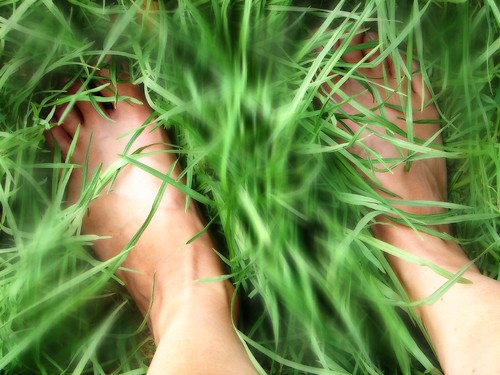
You can almost see the grass grow

Mowing the lawn can seem like a bit of a mystery the first time you attempt it. You’ve seen the neat pale and dark green lines that appear whenever someone mows a lawn on the telly, but whenever you attempt it in your own back garden you seem to get a weird, splotchy green mess.

Mowing the lawn is one of those skills that nobody ever really gets taught. They’re just expected to know how to do it instinctively. However, there are a few common sense tips you can use to make sure that your lawn comes out looking healthy, neat and tidy.

Overlapping

When you start mowing the lawn you should do so in a sort of zigzag pattern, going from one end of the lawn to the other, turning around and coming back alongside where you’ve just been. A lot of first time mowers assume this means that the mower should be travelling next to the freshly mown grass, but don’t cross onto it.

Instead you want to make sure that the lawnmower slightly overlaps the area you’ve just mown. To make this easier and more precise, make a mark on your lawnmower to show how far you want the overlap to go. This will be your “overlap marker”.

This is particularly important if your lawnmower isn’t a hover mower but one with wheels. If you take a second to think about it you’ll realise that running wheels up and down exactly the same path is going to wear tracks into the soil, which isn’t going to look good for the lawn as a whole.

Obstacles

For the easiest mowing results you want a completely flat, level and rectangular lawn with grass that is entirely uniform in length, but of course, lawns like that seldom exist outside of the gardener’s imagination.

There are a number of obstacles you’ll probably face while mowing the lawn. If you find that some of the grass is damp or longer than the rest you can get round it simply by slowing down a little. Just push the mower through the grass at a slightly slower speed and it shouldn’t present any problems.

A slightly trickier area is the bumps and high spots in the lawn. When you approach these it’s worth stopping to raise the height of your blades, otherwise you could end up with a slightly too close shave that leaves bald patches on your lawn, or worse, you could accidentally stop the blade. The same is true when you’re approaching slopes or shady areas.

Maintenance

Of course, it doesn’t matter one jot about your mowing technique if your tools are in poor condition. There are a number of maintenance steps you should take on a regular basis to ensure good mower performance.

If you have a cylinder mower and you find that the blade stutters regularly, or the lawn is coming out in a “ribbed” or “rippled” effect, it could be that the blades are blunt or the mower is under-powered   The same is true if the lawn starts to take on a frayed look, or a sort of silvery sheen.

Getting just the right look

Now you’ve got the basics sorted, you need to focus on getting the look of your lawn just the way you want it. There are a number of tricks to this. Firstly, if you’re using a cylinder mower, change the direction that you’re mowing at least once a month. This stops the grass being constantly pushed down in one direction.

If you want the famed “striped” look on a large lawn or one without a straight edge, the best place to start isn’t on one side of the lawn but straight down the middle. From there you can mow outwards on either side of the central strip.

Naturally it’s important that you have the right tools for the job, whether you buy lawnmowers online or from a store direct it’s worth spending time to make sure you have the right machine

Finally, when you get to the edges of the lawn, don’t worry about getting all the grass. A quick final cut once or twice around the edge of the lawn will give it a professional looking frame.

Attached Images:
  •  License: Creative Commons image source

Mark Bartram is Managing Director of Lawnmowers Direct, so he knows a thing or two about lawn maintenance.


Filed Under: In The Garden, Landscaping, Lawn Care Tagged With: flat, grass cutting, lawn, look, maintenance, mow, obstacles, overlapping, tips, tools, tricks

Making Your Garden An Inviting Habitat For Birds

by Trish

Birds are amazing creatures and they are simply entertaining to watch and listen to. No wonder, a lot of people are encouraged to keep birds in cages so they can watch these beautiful flying creatures closely. However, you can still enjoy birds and their songs without locking them up in a cage. If you have a garden, you can recreate this space into a welcoming oasis where birds can fuel up and take refuge. Below are some useful tips to get you started.

Know the birds and their needs

The first step that you have to take is to know what types of birds frequent in your area. Find out about the plants that have the food they need. The more you know about them, the easier for you to give them what they need. At the most, birds require accessible food sources, water and places to make their nests. They do not like places where predators are lurking. So be sure to keep these things in mind when you tend to your garden.

Think variety

Just like people, different birds have different food preferences. Some birds eat seeds, some love fruits, while others feast on insects or nectar. Hence, if you want to attract a wide array of birds into your garden, consider growing a number of plant varieties–combine flowers, ground covers, fruit-bearing trees and shrubs. The greater the mix of vegetation you can give, the greater variety of birds will be enticed to hang out in your garden.

Layer the look

Birds love to congregate in environments with multi-tiered and densely packed arrangements of plants. So when planting, aim for a tiered effect. For instance, you can put larger trees at the borders, followed by lower trees, fruiting shrubs, and clumps of bushes and vines, then tall grasses, blooms and ground covers. This is a pleasing composition that mimics nature and will supply sustenance, refuge and protection to different kinds of birds year in and year out.

Keep bird feeders year-round

All too often, homeowners bring out their bird feeders during cold months when birds spend nearly all their time and energy seeking for food. This should not be the case in your garden, though. Keep feeders filled for spring and summer, too, so that you will get patrons year-round. As an added bonus, you’ll get to enjoy the colorful plumage of birds while you sit back and relax in your garden.

Quench their thirst

Birds get thirsty, too. So aside from the plants, provide them a source of water as well. You can use birdbaths around your landscape to give your flying visitors splashy spots where they can drink and bathe. Just make sure that each basin is just two inches deep so that birds can easily drink and they should also have a rough surface for better grip.

To protect the birds from lurking predators while they drink and bathe, position the birdbaths a few feet from shrubs or trees so that the immediate perimeter is open, but close enough to sheltered areas where they can easily getaway. Likewise, always keep the birdbaths clean and add fresh water daily. You can also outfit them with birdbath heaters so that they would still be accessible to birds during winter. To further invite birds, you may also use bubblers and misters along with birdbaths.

Hang houses

Nesting pairs will find refuge in your garden if you include birdhouses in the landscape. The placement and the size of holes of the birdhouses will depend on the type of species you are trying to invite. For instance, wrens love to nest in areas surrounded by trees, but other birds like purple martins prefer raising their broods in big, open areas.

To prevent territorial disputes, build the birdhouses away from feeding stations and each box should have a space of a minimum of 25 feet in between. Also, choose sturdy materials when building and securing the boxes in place. It is recommended to stay away from using nesting boxes with perches as they are a magnet for pest birds.

This guest post was written by Ericka for Lothian Skip Hire, a premier skip hire in Falkirk. Ericka has been writing articles about a wide variety of topics for some years now. However, she is particularly interested in providing helpful posts about gardening, outdoor living and home improvement.

Filed Under: In The Garden, Pets and Wildlife Tagged With: bird feeders, birdbaths, birds, flowers, food, fountains, Fruit, garden, Ground Cover, habitat, houses, inviting, layer, nectar, needs, nesting boxes, nests, oasis, plants, protection, seeds, shrubs, space, thirst, tips, trees, variety, vegetation, water, year round

Natural Alternatives To Weed Killers And Pesticides

by Trish

Weeds and bugs can destroy your yard, and if you worked hard on your landscaping—or if you simply can’t stand weeds and bugs—you’ll want to find ways to keep them away from your yard. Most people turn to pesticides and weed killers, but if you have pets or small children, or if you worry about the environment, most weed killers and pesticides are not a great option. Instead of buying and using products that are filled with harmful chemicals, you can always opt for one of the following natural remedies instead.

WEED KILLER

Hot Water

One of the easiest and safest remedies to killing weeds in your yard is to use hot water. Boil some water so that it’s as hot as possible and then pour it carefully onto the weeds. The hot water will instantly kill the weed and won’t harm you or the environment.

Vinegar

Another safe remedy to kill weeds in your yard is to simply spray them with vinegar. Place vinegar in a spray bottle and spray down the weeds that you don’t want in your yard. The vinegar will eventually kill the weeds. Note that you may need to buy a higher concentrated vinegar, so if the vinegar you purchase at the grocery store doesn’t work, ask your lawn care supply store if they have anything stronger. (Note: pickling vinegar has a higher amount of acid, so if it’s available at your grocery store, choose that one over regular vinegar.)

Newspaper

Newspaper is a great way to naturally kill and keep weeds at bay. If you have weeds already, smother them with newspaper and they will eventually die. If you’re about to plant a flower bed or garden, don’t spend money on the expensive weed screen and instead throw down a few layers of newspaper, as it will keep the weeds from growing in the first place.

PESTICIDE

Syrup

Put a small amount of syrup (or even honey) in a container and place it far away from your garden or flower bed. The sweetness of the honey will attract flies, bees and other insects and keep them away from your garden or flower bed. Plus, since the syrup is extremely sticky, most bugs will get stuck and eventually die.

Diatomaceous Earth

Diatomaceous Earth is a natural pesticide that can be found at most home and garden stores. It’s a chalky substance that you place around your garden or flower bed, and the chalky substance works as an abrasive to smaller insects, killing them by tearing open their stomach or dehydrating them from the inside out.

Soapy Water

Add a few drops of dish soap to some warm water and place it around your flower bed or garden. Although this mixture will not kill the insects that come near your flowers, it irritates them enough to keep them away.

Cayenne Pepper

If you have bugs that are eating your flowers or vegetables, you may want to invest in some cayenne pepper (or red pepper flakes) and sprinkle it on your plants. The spiciness of the cayenne pepper will not kill the insects, but it will make it uncomfortable enough for them to keep them away from your garden or flowers. Using spices has also been known to keep away small animals such as rabbits and squirrels too.

Jessica Crouch is a landscape expert and avid gardener who loves writing about common plants and ways to deal with herbal pests.

Filed Under: In The Garden, Organic, pests Tagged With: bugs, cayenne pepper, diatomaceous earth, garden, hot water, kill weeds, landscape, natural weed killer, newspaper, Organic, pesticide, soapy water, syrup, vinegar, weeds

  • « Previous Page
  • 1
  • …
  • 7
  • 8
  • 9
  • 10
  • 11
  • …
  • 20
  • Next Page »

Subscribe


Never miss a post
Subscribe to our RSS feed!
It's FREE! rss feed

Free Newsletter

As the Garden Grows
by Email - FREE!


Follow me on Twitter!

Suggested Sites

Eavestrough Cleaning Toronto

Categories

Recent Posts

  • Top Three Tips For Choosing The Right Patio Furniture For Your Home
  • The 4 Things To Know About Perennial Garden Design
  • Painful Plants: Five Houseplants That Can Cause Injury
  • An Outbreak Shouldn’t Mean A Break Out: 3 Insect Repellants Gentle Enough For Your Skin
  • 5 Ideas To Make Your Garden POP
  • 6 Simple Ways To Make Your Home Eco-Friendly
  • How To Redesign Your Garden To Make It Safe For Your Children
  • Starting A Career As A Professional Gardener
  • 6 Time Saving Tips For Gardening
  • Top Tips On Redesigning Your Garden For The Summer

What they’re Saying

  • Rodhe Stevens on Landscaping Tips On A Limited Budget
  • Edmund Wells on Benefits of using mulch on the garden
  • Surjith on An Outbreak Shouldn’t Mean A Break Out: 3 Insect Repellants Gentle Enough For Your Skin
  • Pamela on The 4 Things To Know About Perennial Garden Design
  • dog on The quality of your pet food is important

Pages

  • About
  • Archives
  • Become a Guest Blogger For As the Garden Grows
  • Blog
  • Categories
  • Contact
  • Disclosure
  • Do Follow Bloggers Blogroll
  • Green Thumb Sunday
  • I am Canadian Blogroll
  • Join GTS Meme
  • Links
  • Privacy Policy
  • Q & A
  • Toronto Bloggers Blogroll
  • What’s Growing

Search

My Garden

Member of
Garden Voices

Tags

backyard Beautiful bloom blooming blooms Bulbs cold Entertainment and Rec flower flowers garden garden bed garden beds gardener gardening green Green Thumb Green Thumb Sunday grow growing GTS home Home and Lifestyle House In The Garden leaves my garden photo photos plant plants purchase rain rose roses Shopping snow spring summer Toronto water weather winter Wordless Wednesday WW

Site Ratings


Visitors since 2006


Meta

  • Log in
  • Entries feed
  • Comments feed
  • WordPress.org

Connect with me

  • Facebook
  • Google Plus
  • Pintrest
  • Twitter
  • RSS

Copyright © 2026 · News Child Theme on Genesis Framework · WordPress · Log in