As the Garden Grows

What's blooming today?

  • Home
  • Blog
  • Archives
  • Links
  • About
  • Join GTS Meme
  • Guest Blogger
  • Contact

You are here: Home / Archives for In The Garden

Look After Your Grounds and Your Grounds Will Look After You

by Trish

A well-kept garden can completely transform a home and can become a major feature of your property. But creating a garden is one thing – maintaining it is quite another. For many, the upkeep of a garden can become overwhelming, which can ruin the hard work you’ve put in to making it your own. Once the seasons change and you’re met with a constant stream of rain showers and falling leaves, it can seem a vast undertaking. But there are some measurements you can take to keep your garden in order.

Look after wooden structures such as fences or sheds with waterproofing roofing or with a weather-resistant preserve that will protect them for longer. The same goes for maintaining wooden decking; when you install such flooring, make sure that you take the correct precautions against the damage of the seasons, so that you maintenance and repairs later on are kept to a minimum.

Lawns, whether you are growing from scratch or laying turf, require more care and attention than simply mowing every few weeks. With unreliable weather causing grass to either become dry and sallow or water-logged. Naturally, there is little you can do to control the seasons, but you can make an effort to nurture your lawn with an specific feed to help it grow, and keep it leaf-free so that it looks tidy and well-kept.

Patios and pathways are a relatively easy area of your outdoor grounds to maintain, which can be kept looking their best simply by sweeping leaves and mud away regularly and hosing down to keep them in good condition. Be sure not to overlook weeding as well, which can quickly grow into an unsightly mess if not tended to frequently. If you’re looking to maintain larger areas than a home garden such as business or industrial grounds, you may want to look into more heavy duty floor mats to protect your grounds, particularly if you plan on hosting large- scale events. A good idea is to opt for a heavy duty road mat for driveways, which is a durable flooring which will survive the unpredictable weather without degrading like many wooden flooring options.


A great cause of time when it comes to garden maintenance are swimming pools, which require an extensive amount of care and attention. Be sure to remove leaves and debris regularly to keep the pool, and in turn your garden, looking tidy, and make sure that filters are kept clear. Keep an eye on the pH levels of the water, and in winter remember to add antifreeze to the water and use a protective cover to maintain the pool’s condition.

By following these simple tips, you can ensure that the grounds surrounding your home are protected accordingly and are kept tidy, which can make a big difference to the overall look of your home. What initially seems like a overwhelming task is easily manageable with a small commitment to regular upkeep.

Kirsty works as a landscape gardener, working closely with client to ensure all desired needs are met.


Filed Under: Garden Maintenance, In The Garden Tagged With: deck, feature, fences, garden, lawn, maintenance, patio, season, shed, swimming pools, tips

Sowing, Growing and Gathering Vegetables

by Trish

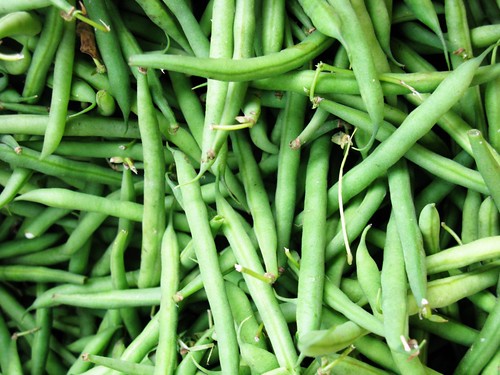
Whatever vegetables you plan to grow, you are bound to choose some of those key crops that are to be found in most vegetable gardens. These include seasonal favourites such as runner beans for summer, leeks for winter and purple sprouting broccoli for spring. Most gardeners with a vegetable plot will grow a few potatoes and some salad crops also. The most important thing to remember is that there is always more than one way to achieve a successful crop, but it is useful to have some guidelines to get you started.

This article will give you some basic ground rules to follow in order to sow, grow and gather your favourite vegetables; and it helps you to decide which varieties to choose.

Beans, Broad

There are many different varieties of broad bean on offer but they are not nearly as widely grown as French and runner beans. Broad beans are highly nutritious and are packed with protein.

Sow

The seed of some varieties such as ‘Aquadulce Claudia’ and ‘The Sutton’ can be sown in the open ground I autumn. Sow seeds 20cm apart and 5cm deep. The seeds will germinate and the plants should overwinter, although occasionally young plants can be wiped out by extremely severe weather, particularly if the soil is heavy and wet.

Sow in November and stand them in a protected spot outdoors in late January or February. Plant out when the soil starts to dry out and warm up in early March.

Grow

Broad beans success in most soils provided they are well drained and not too acidic. If necessary, add lime in autumn every couple of years as a precaution.

Gather

Early sowings usually produce a worthwhile crop of beans in early summer. Pick them when young. The beans should just be showing through the pods.

Carrots

Although readily available and cheap to buy, carrots are worth growing for the wonderful flavour of young roots pulled fresh from the garden. They are not difficult to grow, but they are quite choosy about soil. If you cannot grow carrots in the open ground, you can certainly achieve beautifully tender roots in a container, box or raised bed.

Sow

Carrots can be sown directly into the open ground at any time from early spring through to early summer, according to variety. If you are growing carrots in rows, the seed should be in 2cm deep and the rows 15-20cm apart. The seedlings need to be thinned about 5cm apart for the roots to develop fully.

Grow

Do not add manure or garden compost to the soil in the autumn before planting, as lumps of organic matter often cause the roots to fork or become distorted. Simply apply a general purpose fertiliser about a month before sowing the seed and fork thoroughly into the ground.

Gather

Carrots are usually ready to harvest between 12 and 16 weeks after sowing; however, on light soils they can often be left in the ground for much longer.

Potatoes

The potato is our most popular vegetable, a staple of our diet, despite its relatively recent introduction from South America, in the 16th century. It owes its success largely to its versatility: chips, roast, mashed, boiled or salad potatoes – something to suit every taste.

Sow

Seed potatoes are actually small tubers that have been certified as virus-free. They are normally produced in colder parts of the UK such as Scotland, where there are far fewer virus spreading aphids.


Seed potatoes are available from January; this is the best time to buy them because you have the widest choice and you can control their storage conditions until it is time to plant them. Buying early allows plenty of time to chit, or sprout, the potatoes before planting in mid to late march. They usually take around six weeks to sprout.

As soon as you have bought your seed potatoes unpack them, lay them out in trays and store them in a cool place. When you are ready to chit them in late winter, place the tubers in egg boxes, or trays filled with crumpled newspaper, with the ‘rose’ end facing upwards. This is the end with the most eyes or growth buds. Do not worry if both ends of the tuber look the same; varieties vary and some produce more shoots than others, stand the potatoes in a cool light place to allow the shoots to develop.

 Grow

Potatoes are heavy feeders and they need a good supply of nitrogen in the soil to produce a worthwhile crop, mainly because the tubers are actually swollen stems rather than roots.

Dig the ground it autumn and add plenty of well-rotted manure. Plant out in mid to late March and be prepared to protect the emerging shoots with fleece.

When the shoots are 10-15cm high they should be earthed up. This can be done with a draw hoe, the back of a rake or with a border spade.

Potatoes need lots of water as they grow. If the soil is too dry the tubers will fail to develop.

Gather

Potatoes are usually ready to harvest once the flowers have faded or the flower buds have developed and dropped.

This article was written by gardening lover Yasmin Holloway. For more great gardening advice visit http://www.gardenhealth.com/

Filed Under: In The Garden, Plant Profiles Tagged With: beans, broad beans, broccoli, carrots, crop, garden, gathering, growing, harvest, leeks, plant, potatoes, salad, sowing, spring, vegetables, winter

Cheap Fall Landscaping Ideas

by Trish

The changing of the trees into their brilliant gradients of reds, oranges and yellows can only mean that fall is here again. To most people, fall brings pleasant thoughts of Halloween, fresh apple cider, leaf piles and pumpkin pie. For many, it can also stir a desire to do some fall landscaping. With nature in the height of its colorful glory, there are so many ways to accentuate your home during the fall.

Fall-Blooming Flowers

This time of year, you can find great selections of flowers that bloom profusely in autumn. Chrysanthemums, ornamental kale, pansies and even marigolds are just a few of the available choices that look good and don’t cost much. Each of these plants comes in an enormous variety of colors and bloom sizes, so don’t be afraid to get creative. Some autumn flowers, such as chrysanthemums and pansies, will bloom clear up to the first frost. Many will even survive the winter and provide you with equally lovely color in the early spring.

Gourds

You can’t have fall without gourds. Some decorative gourds are very small, but there are also large varieties that make fantastic fall landscape accents. Pumpkins are also popular choices for their cheerful orange color and slow decomposition. Another fun idea for using gourds as landscape decorations is to paint them. Gourds with long, curved necks can be painted to look like geese, while others can be painted with faces or designs. Because painting doesn’t involve any dangerous objects, it’s a great alternative to letting the kids carve pumpkins!

Autumn Accents

More than anything, it’s the little things that remind you of fall the most. To spruce up your lawn in the fall spirit, try adding some hay bales and cornstalk bundles. They’re great for arranging your gourds around, as well as any flower containers you have. In fact, you can even plant your flowers directly into the hay bales! Just cut a hole into it, add a little soil and put the plant’s root ball inside. Make sure it stays moist.

Baskets

Baskets are closely associated with fall’s bounty. They’re also inexpensive and can be easily found at thrift and dollar stores, garage sales and antique shops. Furthermore, baskets can be found in all kinds of sizes, colors and shapes. You can place anything inside of a basket as decoration, too. Gourds, dried flowers, colorful leaves and fresh-picked apples are just a few ideas. If you have a garden, you can also use them to transport your harvest for a delicious autumn meal. Did you remember to grow sweet potatoes for Thanksgiving dinner?

Whether you’re planning a fall festival or just enjoy changing your landscaping with the seasons, Lawn Connections Landcapers in Keller can help.


Filed Under: Autumn Tasks, Landscaping Tagged With: apples, autumn, baskets, blooming, changing leaves, chrysanthemums, cornstalk bundles, dried flowers, fall, flowers, gourds, Halloween, hay bales, landscaping ideas, marigolds, oranges, ornamental kale, pansies, reds, trees, yellows

  • « Previous Page
  • 1
  • …
  • 17
  • 18
  • 19
  • 20
  • 21
  • …
  • 202
  • Next Page »

Subscribe


Never miss a post
Subscribe to our RSS feed!
It's FREE! rss feed

Free Newsletter

As the Garden Grows
by Email - FREE!


Follow me on Twitter!

Suggested Sites

Eavestrough Cleaning Toronto

Categories

Recent Posts

  • Top Three Tips For Choosing The Right Patio Furniture For Your Home
  • The 4 Things To Know About Perennial Garden Design
  • Painful Plants: Five Houseplants That Can Cause Injury
  • An Outbreak Shouldn’t Mean A Break Out: 3 Insect Repellants Gentle Enough For Your Skin
  • 5 Ideas To Make Your Garden POP
  • 6 Simple Ways To Make Your Home Eco-Friendly
  • How To Redesign Your Garden To Make It Safe For Your Children
  • Starting A Career As A Professional Gardener
  • 6 Time Saving Tips For Gardening
  • Top Tips On Redesigning Your Garden For The Summer

What they’re Saying

  • Rodhe Stevens on Landscaping Tips On A Limited Budget
  • Edmund Wells on Benefits of using mulch on the garden
  • Surjith on An Outbreak Shouldn’t Mean A Break Out: 3 Insect Repellants Gentle Enough For Your Skin
  • Pamela on The 4 Things To Know About Perennial Garden Design
  • dog on The quality of your pet food is important

Pages

  • About
  • Archives
  • Become a Guest Blogger For As the Garden Grows
  • Blog
  • Categories
  • Contact
  • Disclosure
  • Do Follow Bloggers Blogroll
  • Green Thumb Sunday
  • I am Canadian Blogroll
  • Join GTS Meme
  • Links
  • Privacy Policy
  • Q & A
  • Toronto Bloggers Blogroll
  • What’s Growing

Search

My Garden

Member of
Garden Voices

Tags

backyard Beautiful bloom blooming blooms Bulbs cold Entertainment and Rec flower flowers garden garden bed garden beds gardener gardening green Green Thumb Green Thumb Sunday grow growing GTS home Home and Lifestyle House In The Garden leaves my garden photo photos plant plants purchase rain rose roses Shopping snow spring summer Toronto water weather winter Wordless Wednesday WW

Site Ratings


Visitors since 2006


Meta

  • Log in
  • Entries feed
  • Comments feed
  • WordPress.org

Connect with me

  • Facebook
  • Google Plus
  • Pintrest
  • Twitter
  • RSS

Copyright © 2026 · News Child Theme on Genesis Framework · WordPress · Log in