As the Garden Grows

What's blooming today?

  • Home
  • Blog
  • Archives
  • Links
  • About
  • Join GTS Meme
  • Guest Blogger
  • Contact

You are here: Home / Archives for fertilizer

Grow Up and Out: Setting Up Your Vertical Garden

by Trish

If you love tending to plants but you don’t have the luxury of an expansive space, gardening up is your secret weapon to satisfy your green thumb and get the most out of a small space.

Vertical gardening offers easy solutions for growing plants in a compact space. Although a relatively new concept, this gardening technique is becoming more and more popular among novice and seasoned gardeners alike due to the incredible benefits it can give. For one, it allows tending to several varieties of plants without taking up too much space. It also entails less soil preparation and digging and demands minimal water use. More importantly, unlike the traditional way of gardening (with long horizontal rows on the ground) where plants are susceptible to aggressive weed growth, pests and diseases, vertical gardening minimizes these common issues, thereby allowing plants to grow healthily.

If you’re ready to enjoy the aforesaid benefits, below is a simple guide on how you can set up your own vertical garden.

Pick a wall

Start by picking a wall for your garden. If you have a wall that has an ugly surface that you wish to cover up, this will definitely suffice for the project. Keep in mind, however, that your plant selection will depend upon the wall you pick and the amount of sunlight it receives. Thus, if you have a specific variety of plants in mind, pick a wall that can provide them with the best growing conditions.

Create a frame

The basic support system of a vertical garden wall is a panel composed of a main frame, plastic sheeting and fabric. Setting up a sturdy frame will make it easier for you to take down plants.

The best materials to use to build the main frame are PVC pipes and four way joints, as they are light and they allow water to shed properly. Avoid using metal as the additional weight of this material can put a strain on the wall, or wood, as it is susceptible to moisture and rotting. You can build the whole frame setup before hanging it on the wall or you can simply piece the parts together directly on the wall.

Lay the plastic sheeting and fabric

Once the frame is set, attach the plastic sheeting onto it. The plastic will serve as a backing for the fabric and will also prevent water from getting on the wall. Next, lay at least two layers of fabric on top of the plastic using galvanized screws or stainless-steel staples. You can use just about any type of fabric that can retain water without rotting. Since this layer is where your plants will live as it is responsible for holding the water for them, make sure that you secure it well on place so that it won’t come off.

Set up the irrigation system, fertilizer injector and water filter

In order for your plants to grow well on the wall, you need to have an irrigation system in place that will provide moisture to the fabric. You can create this system out of poly tubing with lock fittings and emitters, which you can purchase from an irrigation supplier. Place the tube on top of the panel and use the emitter to drip water down. When attaching the irrigation system, opt for stainless-steel hardware to avoid corrosion. Then, add a fertilizer injector, which is a simple valve that will send liquid fertilizer to the irrigation system, and a water filter to keep the circulating water clean. Connect the system to a power source to see if it is working properly.

Pick your plants

As mentioned earlier, when picking plants for your vertical garden, consider the amount of sunlight your chosen wall receives. Equally important is to consider humidity, wind and cold to ensure that you will be able to grow greens that can endure such conditions. If you are just starting out with gardening, pay your local nursery a visit to get an advice from a seasoned gardener about which plants are appropriate to grow on your vertical garden.

Insert the greens

The next and final step is to integrate the plants on the wall. Do this by making horizontal cuts on the fabric layer using a razor blade. Remove as much soil as possible from the plants’ root balls to prevent root rot before inserting each of them into the pockets you made. To secure the plants in place, staple the cloth to the plastic backing, making a semicircle around the root balls.

This gardening advice was written by Ericka on behalf of Steel Buildings UK www.steelbuildingsuk.co.uk ,Ericka is fond of home-related topics and tirelessly shares her knowledge by writing and publishing helpful articles online.


Filed Under: Garden Tips, In The Garden Tagged With: fertilizer, frame, gardening, greens, grow, irrigation system, plants, solution, space, up, upward, vertical gardening, wall, water filter

Growing Cattleya Orchids as House Plants

by Trish

Growing Cattleya Orchids as House Plants

Are you planning on growing orchids in your backyard or in a green house?  Why not choose the Cattleya ?  They are very easy to grow. However, if you decide on planting them in your window sill, you may find that very challenging.

What are cattleyas?

Cattleyas are beautiful orchids with large, attractive flowers which sometimes carry a fragrance. Their flowers vary in color and pattern and the size can measure as much as 8 inches across. There are numerous species. In wildlife, cattleyas grow high on trees in the forests. They have thick roots which attach the plants firmly to the tree. Being exposed to the elements, the roots are able to tolerate the long periods when there is no rain. Because they vary in size from small (suitable for window sills) to large; growing more than 4 ft. tall, you might want to choose carefully if you plan on growing them inside.  They love light, so you wouldn’t want a plant that takes up all your window space, would you?

Light

Cattleya orchids flourish in bright light. The condition of the leaves is an indication of whether or not your cattleya plants are getting the right amount of water. Leaves that are firm and have an apple green colors mean that the plants are getting the right amount of light.  Hard, yellow or brown colored leaves suggest too much light, while limp, dark green leaves is an indication of inadequate amount of light, which can also cause the plant not to flower.

If you keep your Cattleya on your patio in summer, they will thrive. If indoors, place them in an area near to windows on the eastern or western side.  If they are outside, it is important that you shield them from the hot, noonday sun.

Water

Cattleyas grow from underground rhizome. During spring new bulbs appear. Cattleyas need lots of water during the growing season, but the bulbs should not be allowed to stay in the water.  As soon as the flowers begin to appear in the sheaths, reduce the water.  Too much water in the sheaths will cause the young flowers to rot.

Blooming

Most Cattleyas normally bloom once each year, some twice.  Flowers will stay between 1-3 weeks.  Once the first flower appears, the plants must be removed from the direct sun so that the bloom will last longer.  The flower buds will not develop unless the plant gets direct sunlight and cool temperatures in the evening.


Temperatures

Cattleyas don’t need specific temperatures to grow. They thrive best in temperatures ranging from 55 degrees in the nights to 90 degrees throughout the day.  During winter, the bloom cycle will start when evening temperatures are at 55 degrees or lower. They also need ample humidity and proper air circulation throughout the months of winter too.


Fertilizer

Fertilize your Cattleyas each week with weak fertilizer made for orchids.


Potting and Repotting

Repotting of cattleyas can be stressful for the plant, so they will take a season to improve. Therefore, repotting should only be done when necessary.  Cattleyas flourish best in most orchid mixes including clay pellets, pink bark, charcoal, perlite and any medium which drains well.  If you are repotting a Cattleya, ensure there is adequate space for the rhizome to produce a minimum of two bulbs.  The ideal repotting period is spring; that’s when the growing season begins.

Lucas Barnes writes for Plantdex, learn more about growing cattleya orchids.

Filed Under: In The Garden, Plant Profiles Tagged With: Beautiful, blooming, blooms, cattleya orchid, color, fertilizer, flowers, fragrance, green house, Houseplants, light, potting, repotting, temperature, water

Seven Beginners Tips For Growing Delicious Tomatoes

by Trish

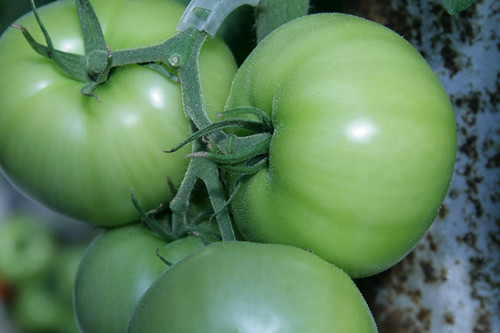
Thanks to the delicious and simple nature of home grown tomatoes, they are a popular choice for those attempting to grow vegetables for the first time. Though the activity isn’t particularly complicated, it does require care and patience. And if you’ve never grown vegetables before, it also requires that you educate yourself on a few tomato growing basics. Here are seven beginners tips for successful tomato growing.

Choose the Right Tomatoes

The first step towards growing delicious tomatoes is of course planting the right seeds. Don’t blindly head into your local garden store looking for tomato seeds, do your research on the different types available. Different tomatoes not only have different tastes, they also require different conditions to flourish.

Leave Ample Space

One of the most common beginners mistakes when it comes to growing tomatoes is failing to provide sufficient space. If you plan on growing your tomatoes upright, you should aim to leave approximately two feet between each plant. If you plan on growing your tomatoes along the ground however, four feet between each plant is more suitable.

Provide Ample Sunlight

Another absolute requirement of successful tomato growing is sunlight. Tomato plants require a minimum of seven hours direct sunlight each day. If you attempt to grow tomatoes in an area that doesn’t meet this requirement, you’re going to be left with lots of foliage but very little fruit. The production of fruit is an energy intensive process for plants and that energy comes from the sun.

Don’t Plant More Than You Need

Don’t underestimate just how many tomatoes can be harvested from a single tree. If you plant more than one tree for each person in your family, you can expect a lot of waste. And that figure includes a few free tomato flavoured gifts for your neighbours. It’s also worth noting that the more tomatoes you plant, the more maintenance your tomato patch is going to require.

Use Fertilizer, in Moderation

If you want fast results, fertilizer is very much recommended but it must be used in moderation. If you use more than the recommended amount, your tomatoes might grow faster but in turn, they’ll be far more prone to disease. It’s also important to choose your fertilizer carefully. You should limit your search to those which have been specifically designed for use on tomato plants.

Keep an Eye on Water Levels

Even more important than fertilizer is ample water. If rain has been a little scarce of late, you need to get the hose out. Tomatoes need calcium to grow and they get that calcium by absorbing water from the ground. A lack of water therefore leads to a lack of calcium and a corresponding lack of tasty tomatoes.

Don’t Pick Too Soon 

Finally, a common trait among tomato growing beginners is a distinct lack of patience. If you want to enjoy beautiful home grown tomatoes you can’t pick them too early. Tomatoes are generally ready to enjoy between sixty and eighty five days after planting. Ripeness is indicated by both an even, all round colour and a slight tenderness. If your tomatoes are hard to the touch, you need to keep waiting.

Jamie Kirk is a writer, and occasionally writes on cheap conservatory across UK. He recommends comparing stunning conservatory prices by clicking on the mentioned link.

Filed Under: Garden Tips, In The Garden, Plant Profiles Tagged With: delicious, fertilizer, Fruit, garden, grow, harvest, moisture, ripe tomatoes, sow, space, sunlight, tips, tomatoes, vegetables, watering

  • 1
  • 2
  • 3
  • …
  • 5
  • Next Page »

Subscribe


Never miss a post
Subscribe to our RSS feed!
It's FREE! rss feed

Free Newsletter

As the Garden Grows
by Email - FREE!


Follow me on Twitter!

Suggested Sites

Eavestrough Cleaning Toronto

Categories

Recent Posts

  • Top Three Tips For Choosing The Right Patio Furniture For Your Home
  • The 4 Things To Know About Perennial Garden Design
  • Painful Plants: Five Houseplants That Can Cause Injury
  • An Outbreak Shouldn’t Mean A Break Out: 3 Insect Repellants Gentle Enough For Your Skin
  • 5 Ideas To Make Your Garden POP
  • 6 Simple Ways To Make Your Home Eco-Friendly
  • How To Redesign Your Garden To Make It Safe For Your Children
  • Starting A Career As A Professional Gardener
  • 6 Time Saving Tips For Gardening
  • Top Tips On Redesigning Your Garden For The Summer

What they’re Saying

  • Rodhe Stevens on Landscaping Tips On A Limited Budget
  • Edmund Wells on Benefits of using mulch on the garden
  • Surjith on An Outbreak Shouldn’t Mean A Break Out: 3 Insect Repellants Gentle Enough For Your Skin
  • Pamela on The 4 Things To Know About Perennial Garden Design
  • dog on The quality of your pet food is important

Pages

  • About
  • Archives
  • Become a Guest Blogger For As the Garden Grows
  • Blog
  • Categories
  • Contact
  • Disclosure
  • Do Follow Bloggers Blogroll
  • Green Thumb Sunday
  • I am Canadian Blogroll
  • Join GTS Meme
  • Links
  • Privacy Policy
  • Q & A
  • Toronto Bloggers Blogroll
  • What’s Growing

Search

My Garden

Member of
Garden Voices

Tags

backyard Beautiful bloom blooming blooms Bulbs cold Entertainment and Rec flower flowers garden garden bed garden beds gardener gardening green Green Thumb Green Thumb Sunday grow growing GTS home Home and Lifestyle House In The Garden leaves my garden photo photos plant plants purchase rain rose roses Shopping snow spring summer Toronto water weather winter Wordless Wednesday WW

Site Ratings


Visitors since 2006


Meta

  • Log in
  • Entries feed
  • Comments feed
  • WordPress.org

Connect with me

  • Facebook
  • Google Plus
  • Pintrest
  • Twitter
  • RSS

Copyright © 2026 · News Child Theme on Genesis Framework · WordPress · Log in