As the Garden Grows

What's blooming today?

  • Home
  • Blog
  • Archives
  • Links
  • About
  • Join GTS Meme
  • Guest Blogger
  • Contact

You are here: Home / Archives for Fruit

How To Create Your Own Produce Cleanser – Three Easy Steps

by Trish

As times rapidly accelerate, we have become a generation of fast results with minimal exertion. Social medias have exploded; making communication mouse-clicks away. With this robust technology, we have created a generation of impatience, which has trickled into nearly every aspect of our lives. Instead of dicing up our veggies we have machines that spit them out perfectly minced. 

We have dishwashers that take care of the mess after the storm, and microwaves to “zap” our food into warm, leftover delight. In the same lazy fashion, many of us aren’t taking the appropriate amount of time in preparing our meals. The result is bacteria-ridden food, glazed with germs and harmful pesticides; which are generally used to banish pests from crops and to extend product shelf life.

These toxic chemicals can be detrimental to your family’s health and have been linked to:

  • Nervous system toxicity
  • Hormone system disruption
  • IQ deficits in children
  • Cancers

With this knowledge at hand, I suggest shopping locally. Not only will you help your community’s economy, but you’ll be consuming foods that are locally sourced and fresh. Many of these farms will promise organic produce, which will be pesticide free. Regardless of where you purchase your food, it is imperative to properly cleanse all of your fruits and veggies.

It has been proven that even rinsing your produce in water alone is beneficial in removing dirt, germs, bacteria and chemicals. When compared side-by-side with a store-bought “vegetable cleaner,” the results were very similar. With this said, it seems like a complete waste of money in investing in one of these “miracle” washes.

There are some things in the produce aisle that have higher levels of pesticide residues than others. Some of the most harmful levels can be found on:

  • Strawberries
  • Peppers
  • Spinach/lettuce/greens
  • Cherries
  • Peaches/nectarines
  • Blueberries
  • Celery
  • Apples
  • Apricots
  • Green beans
  • Grapes
  • Cucumbers
  • Pears
  • Squash
  • Potatoes

Instead, make your own eco friendly cleaning products with a natural wash.

You will need:

  • A large spray bottle and large container
  • White vinegar
  • Lemon Juice
  • Distilled water

Cleansing Your Produce

  1. In a large spray-bottle, combine 1/6 white vinegar, 1/6 lemon juice and 2/3 distilled water. Shake violently and store in the refrigerator.
  2. After you have purchased the produce, thoroughly wash your hands. The “happy-birthday” song in hot water with antibacterial soap works well. Make sure to extend the soap all the way up the wrists, and in the crevices of fingernails and hand-jewelry. After you have washed your hands, dry them on a clean towel.
  3. Go ahead and pull out the fruits and veggies. Place them in the large container and mist them thoroughly. Let them sit for approximately 30 seconds and rinse in cold water. Pat dry. If you are cleansing a leafy vegetable like lettuce, you will want to use the large container as a “bath” with the same ratios of vinegar/lemon juice/water.

You will want it to sit for 30 seconds to one minute before removing for the final cold rinse. Take note of any bruises or dark markings, as these areas tend to harbor more bacteria. If you spot a blemish, cut it off. If your cleansing a fruit or veggie with a texture, like a peach, use a small brush and lightly brush under a bath for the same duration. Don’t forget to pat dry, because the inconsistency of the texture can also harvest airborne bacteria. In addition, any area near the stem or which opens into the actual fruit or veggie should be discarded. These tend to be the most bacteria-prone areas.

Anytime that my family takes a trip to our local grocery, we go crazy filling our baskets with fresh fruits and veggies for salads, stews and quiches. What we fail to consider are the many hands that touch their surfaces, the nasty mists of pesticides and the natural bacteria that grow in the temperate conditions of the store. Cleansing your food of these harmful invaders doesn’t have to be extremely time consuming or expensive. With a pre-mixed bottle, and a flick of your wrist, you can sanitize your produce and give your family a safer and healthier meal.

Alexa Mehan, self-confessed day-time-TV junkie, works in the comfort of her apartment with her partner and dog Pekoe. She loves creepy artwork and surrealist paintings. Active traveler and hiker, Alexa loves the freedom of the outdoors. When she isn’t writing about the importance of going green, she is checking updates on sites like www.ecohomeinspired.com for ideas. Alexa finds herself creating various works of art when she isn’t freelancing.


Filed Under: Fruit, In The Garden, vegetables Tagged With: bacteria, beneficial, chemicals, Distilled water, Easy Steps, Fruit, germs, harmful levels, Lemon Juice, organic produce, pesticide free, pesticide residues, Produce Cleanser, removing dirt, rinsing, spray bottle, vegetable cleaner, veggies, White vinegar

Making Your Garden An Inviting Habitat For Birds

by Trish

Birds are amazing creatures and they are simply entertaining to watch and listen to. No wonder, a lot of people are encouraged to keep birds in cages so they can watch these beautiful flying creatures closely. However, you can still enjoy birds and their songs without locking them up in a cage. If you have a garden, you can recreate this space into a welcoming oasis where birds can fuel up and take refuge. Below are some useful tips to get you started.

Know the birds and their needs

The first step that you have to take is to know what types of birds frequent in your area. Find out about the plants that have the food they need. The more you know about them, the easier for you to give them what they need. At the most, birds require accessible food sources, water and places to make their nests. They do not like places where predators are lurking. So be sure to keep these things in mind when you tend to your garden.

Think variety

Just like people, different birds have different food preferences. Some birds eat seeds, some love fruits, while others feast on insects or nectar. Hence, if you want to attract a wide array of birds into your garden, consider growing a number of plant varieties–combine flowers, ground covers, fruit-bearing trees and shrubs. The greater the mix of vegetation you can give, the greater variety of birds will be enticed to hang out in your garden.

Layer the look

Birds love to congregate in environments with multi-tiered and densely packed arrangements of plants. So when planting, aim for a tiered effect. For instance, you can put larger trees at the borders, followed by lower trees, fruiting shrubs, and clumps of bushes and vines, then tall grasses, blooms and ground covers. This is a pleasing composition that mimics nature and will supply sustenance, refuge and protection to different kinds of birds year in and year out.

Keep bird feeders year-round

All too often, homeowners bring out their bird feeders during cold months when birds spend nearly all their time and energy seeking for food. This should not be the case in your garden, though. Keep feeders filled for spring and summer, too, so that you will get patrons year-round. As an added bonus, you’ll get to enjoy the colorful plumage of birds while you sit back and relax in your garden.

Quench their thirst

Birds get thirsty, too. So aside from the plants, provide them a source of water as well. You can use birdbaths around your landscape to give your flying visitors splashy spots where they can drink and bathe. Just make sure that each basin is just two inches deep so that birds can easily drink and they should also have a rough surface for better grip.

To protect the birds from lurking predators while they drink and bathe, position the birdbaths a few feet from shrubs or trees so that the immediate perimeter is open, but close enough to sheltered areas where they can easily getaway. Likewise, always keep the birdbaths clean and add fresh water daily. You can also outfit them with birdbath heaters so that they would still be accessible to birds during winter. To further invite birds, you may also use bubblers and misters along with birdbaths.

Hang houses

Nesting pairs will find refuge in your garden if you include birdhouses in the landscape. The placement and the size of holes of the birdhouses will depend on the type of species you are trying to invite. For instance, wrens love to nest in areas surrounded by trees, but other birds like purple martins prefer raising their broods in big, open areas.

To prevent territorial disputes, build the birdhouses away from feeding stations and each box should have a space of a minimum of 25 feet in between. Also, choose sturdy materials when building and securing the boxes in place. It is recommended to stay away from using nesting boxes with perches as they are a magnet for pest birds.

This guest post was written by Ericka for Lothian Skip Hire, a premier skip hire in Falkirk. Ericka has been writing articles about a wide variety of topics for some years now. However, she is particularly interested in providing helpful posts about gardening, outdoor living and home improvement.

Filed Under: In The Garden, Pets and Wildlife Tagged With: bird feeders, birdbaths, birds, flowers, food, fountains, Fruit, garden, Ground Cover, habitat, houses, inviting, layer, nectar, needs, nesting boxes, nests, oasis, plants, protection, seeds, shrubs, space, thirst, tips, trees, variety, vegetation, water, year round

Seven Beginners Tips For Growing Delicious Tomatoes

by Trish

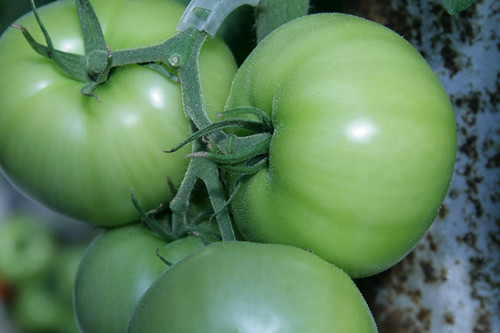
Thanks to the delicious and simple nature of home grown tomatoes, they are a popular choice for those attempting to grow vegetables for the first time. Though the activity isn’t particularly complicated, it does require care and patience. And if you’ve never grown vegetables before, it also requires that you educate yourself on a few tomato growing basics. Here are seven beginners tips for successful tomato growing.

Choose the Right Tomatoes

The first step towards growing delicious tomatoes is of course planting the right seeds. Don’t blindly head into your local garden store looking for tomato seeds, do your research on the different types available. Different tomatoes not only have different tastes, they also require different conditions to flourish.

Leave Ample Space

One of the most common beginners mistakes when it comes to growing tomatoes is failing to provide sufficient space. If you plan on growing your tomatoes upright, you should aim to leave approximately two feet between each plant. If you plan on growing your tomatoes along the ground however, four feet between each plant is more suitable.

Provide Ample Sunlight

Another absolute requirement of successful tomato growing is sunlight. Tomato plants require a minimum of seven hours direct sunlight each day. If you attempt to grow tomatoes in an area that doesn’t meet this requirement, you’re going to be left with lots of foliage but very little fruit. The production of fruit is an energy intensive process for plants and that energy comes from the sun.

Don’t Plant More Than You Need

Don’t underestimate just how many tomatoes can be harvested from a single tree. If you plant more than one tree for each person in your family, you can expect a lot of waste. And that figure includes a few free tomato flavoured gifts for your neighbours. It’s also worth noting that the more tomatoes you plant, the more maintenance your tomato patch is going to require.

Use Fertilizer, in Moderation

If you want fast results, fertilizer is very much recommended but it must be used in moderation. If you use more than the recommended amount, your tomatoes might grow faster but in turn, they’ll be far more prone to disease. It’s also important to choose your fertilizer carefully. You should limit your search to those which have been specifically designed for use on tomato plants.

Keep an Eye on Water Levels

Even more important than fertilizer is ample water. If rain has been a little scarce of late, you need to get the hose out. Tomatoes need calcium to grow and they get that calcium by absorbing water from the ground. A lack of water therefore leads to a lack of calcium and a corresponding lack of tasty tomatoes.

Don’t Pick Too Soon 

Finally, a common trait among tomato growing beginners is a distinct lack of patience. If you want to enjoy beautiful home grown tomatoes you can’t pick them too early. Tomatoes are generally ready to enjoy between sixty and eighty five days after planting. Ripeness is indicated by both an even, all round colour and a slight tenderness. If your tomatoes are hard to the touch, you need to keep waiting.

Jamie Kirk is a writer, and occasionally writes on cheap conservatory across UK. He recommends comparing stunning conservatory prices by clicking on the mentioned link.

Filed Under: Garden Tips, In The Garden, Plant Profiles Tagged With: delicious, fertilizer, Fruit, garden, grow, harvest, moisture, ripe tomatoes, sow, space, sunlight, tips, tomatoes, vegetables, watering

  • 1
  • 2
  • 3
  • …
  • 5
  • Next Page »

Subscribe


Never miss a post
Subscribe to our RSS feed!
It's FREE! rss feed

Free Newsletter

As the Garden Grows
by Email - FREE!


Follow me on Twitter!

Suggested Sites

Eavestrough Cleaning Toronto

Categories

Recent Posts

  • Top Three Tips For Choosing The Right Patio Furniture For Your Home
  • The 4 Things To Know About Perennial Garden Design
  • Painful Plants: Five Houseplants That Can Cause Injury
  • An Outbreak Shouldn’t Mean A Break Out: 3 Insect Repellants Gentle Enough For Your Skin
  • 5 Ideas To Make Your Garden POP
  • 6 Simple Ways To Make Your Home Eco-Friendly
  • How To Redesign Your Garden To Make It Safe For Your Children
  • Starting A Career As A Professional Gardener
  • 6 Time Saving Tips For Gardening
  • Top Tips On Redesigning Your Garden For The Summer

What they’re Saying

  • Rodhe Stevens on Landscaping Tips On A Limited Budget
  • Edmund Wells on Benefits of using mulch on the garden
  • Surjith on An Outbreak Shouldn’t Mean A Break Out: 3 Insect Repellants Gentle Enough For Your Skin
  • Pamela on The 4 Things To Know About Perennial Garden Design
  • dog on The quality of your pet food is important

Pages

  • About
  • Archives
  • Become a Guest Blogger For As the Garden Grows
  • Blog
  • Categories
  • Contact
  • Disclosure
  • Do Follow Bloggers Blogroll
  • Green Thumb Sunday
  • I am Canadian Blogroll
  • Join GTS Meme
  • Links
  • Privacy Policy
  • Q & A
  • Toronto Bloggers Blogroll
  • What’s Growing

Search

My Garden

Member of
Garden Voices

Tags

backyard Beautiful bloom blooming blooms Bulbs cold Entertainment and Rec flower flowers garden garden bed garden beds gardener gardening green Green Thumb Green Thumb Sunday grow growing GTS home Home and Lifestyle House In The Garden leaves my garden photo photos plant plants purchase rain rose roses Shopping snow spring summer Toronto water weather winter Wordless Wednesday WW

Site Ratings


Visitors since 2006


Meta

  • Log in
  • Entries feed
  • Comments feed
  • WordPress.org

Connect with me

  • Facebook
  • Google Plus
  • Pintrest
  • Twitter
  • RSS

Copyright © 2026 · News Child Theme on Genesis Framework · WordPress · Log in