As the Garden Grows

What's blooming today?

  • Home
  • Blog
  • Archives
  • Links
  • About
  • Join GTS Meme
  • Guest Blogger
  • Contact

You are here: Home / Archives for moist soil

How to Grow Rosemary

by Trish

The rosemary plant is blue-green with needle-like foliage as well as a compelling fragrance which contribute to make this tender and perennial plant a favorite with gardeners. Rosemary seeds germinate erratically and slowly hence the common practice of propagating them through cuttings. Although a glass of water is sufficient for rooting the Rosemary plant, additional effort offers more favorable results.

The chosen site should be capable of getting full direct sunlight as well as a light afternoon shade and excellent drainage.

  • Raised beds are ideal for rosemary which prefers average to poor soil with a 6.5 to 7.0 pH.
  • Set the transplants aground at a similar depth to the one at the nursery pots.
  • A minimum of 2 feet should be spared around the plant to guarantee favorable air circulation.
  • Clip sprigs or leaves anytime they are required.
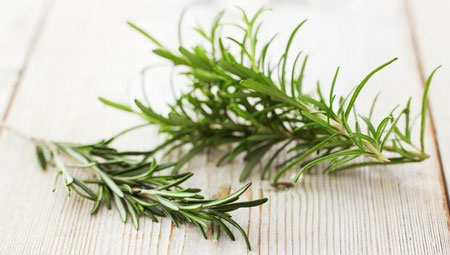
Growth of Rosemary in Cold Climates

  • Buy started plants from nurseries for planting during early spring.
  • Clay pots should be used and the required proportions are at least a depth of 12 inches and a width of 12 inches as well as many drainage holes.
  • The clay pots should then be filled it with coarse and light potting mix, for example cactus soil and an addition of perlite. Set the plants into new quarters while ensuring the depth is similar to the primary one at the nursery pots.
  • After the frost danger passes, harden off the plants and moved outdoors
  • Ensure regular watering is done while making sure the soil is vaguely moist but not wet. During early summer and spring, compost tea should be fed to the plants on a monthly basis.
  • The plants should be brought back indoors way before the foremost frost and put in a sunlit area west-or-south facing window. If there is scarcity of winter sunlight in the house, the supply should be augmented the supply using fluorescent lights.
  • Keep the soil moist by watering tepid water to the plants twice in one week.
  • Clip sprigs or leaves anytime they are needed.

Rosemary repels bean beetles and cabbage moths and is a plant that should be planted where it is intended to stay because it resents being transplanted. For the ideal selection of orchid plants, it is recommendable to purchase rosemary plants from herb specialists. When winter temperatures drop below thirty degrees Fahrenheit, it is generally advisable to plant the plant containers preferably terracotta all year to avoid transplanting.

Author bio:

This article is presented to you by www.growguides.net , a website offering free tips and advices on gardening to people all over the world.


Filed Under: Herbs, Plant Profiles Tagged With: clay pots, cuttings, direct sunlight, drainage, foliage, frangrance, garden, germinate, grow, indoors, moist soil, perennial, potting mix, propagate, raised beds, rosemary, shade, spring, summer, watering

Growing Monkshood

by Tricia

It’s amazing how many plants are coming up in my garden. Every time I either look outside or go outside to look at the garden I notice how much the plants have grown or new green shoots coming up in areas that were barren the day before.

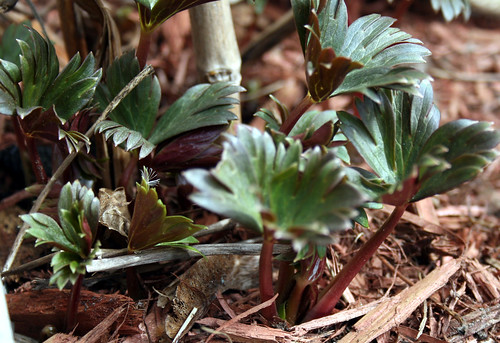
The monkshood is already making an appearance:

monkshoodshoots

This is Monkshood Aconitum Arendsii Azure Blue.

The new leaves are coming up amid the old stalks that I still have to remove! Usually I tidy up the garden beds in the fall, but I didn’t really do that last year. Even when I clean up the garden in the autumn I’ll often still leave a few plant stalks or a leaf or two so that come spring I can remember where the plant is planted.

I do have plant markers in the garden, but most have been there for four or five years now and they are barely legible or they’ve snapped in the cold so there’s only half of the plants name.

I grow another kind of Monkshood at the back of the garden near the holly shrub. It’s a bicolor Monkshood and I’ve forgotten it’s full name.

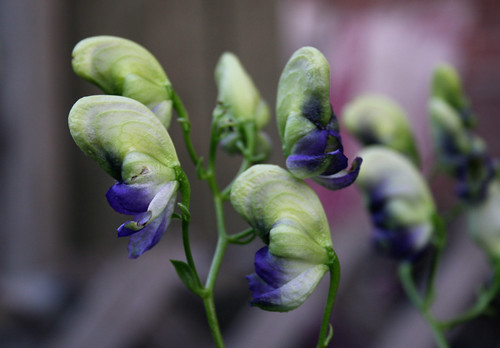
Now I know I have several photos of the Azure Blue Monkshood but I can’t find any of them right now. Odd. I do have a photo of the BiColor Monkshood as it’s beginning to bloom though.

Monkshood Aconitum

The bicolor Monkshood usually blooms twice a season. Often once in July and then in Mid to Late September. The Azure Blue only blooms once in late August through into September.

Monkshood is very easy to grow, but you must remember that it’s a poisonous plant. I’m a little nervous about growing it now that we have a Labrador Retriever puppy, but I don’t think she’ll be allowed in the backyard very often and certainly not unsupervised.

Monkshood can be grown in shade or bright sunlight. It does best with at least 6 hours of bright sunlight each day. Depending on the species it grow from 30 inches to approx. 36 inches in height.

This plant does best in rich, moist, humusy soil. It doesn’t like being disturbed once it’s established but it can be propagated through division.

There are several species and hybrids of Monkshood. Some will rebloom if the flowers are removed shortly after they’ve finished blooming as with my bicolor monkshood and others are of the fall blooming variety.

Monkshood is a beautiful plant that adds a lovely touch of color to the garden bed. Even it’s foliage is attractive. Just remember that all parts of the plant are poisonous!

Filed Under: Garden Buzz, Garden Tips, Home and Lifestyle, Perennials, Photography, Toronto Tagged With: Aconitum Arendsii Azure Blue, autumn, Azure blue, Azure blue monkshood, backyard, Beautiful, Beds, bicolor monkshood, bloom, blooming, blooms, color, easy to grow, flower, flowers, foliage, garden, garden bed, garden beds, green, grow, growing, growing monkshood, height, holly, hybrid, July, leaves, moist soil, monkshood, photo, plant, planted, plants, poisonous, propagate, puppy, rebloom, September, shade, shrub, species, spring, stalk, stalks, sunlight, tidy, variety

Benefits of using mulch on the garden

by Tricia

I went out of town this past weekend and I was a little worried about my garden.

You see, we are going through a heat wave here in Toronto. Friday’s temps were 31 Celsius (87.8), Saturday and Sunday were 32 (89.6 F) and 34 C (93.2 F), and yesterday ended up reaching 35 C (95 F). Now those temps wouldn’t necessarily be so bad if it were dry heat, but here in Toronto we seem to get a lot of humidity. If you add in the humidity factor the temps were well over 40 Celsius (104 F) each day. Those temps are enough to make me wilt so it’s no wonder I was worried about my plants, especially all the new ones that I finally planted last week.

I should have watered the garden on Friday seeing as we were leaving early Saturday morning but I was very tired for some reason. Not watering added to my worry. I was sure I’d come home to wilted or dead plants. Lucky for me it did rain sometime on Saturday.

I’m sure the shredded red cedar mulch that I put on the garden helped too. We covered all the bare spots between the plants with two to three inches of cedar mulch. This helps keep the weeds down. Actually- it makes them virtually non-existent. It also helps keep the soil moist too. Well, it won’t if you don’t water at all, but if you give your garden a good watering every two or three days the soil should stay slightly moist and your plants will be happy. As long as I do a good deep watering I don’t have to water every day, even during a heat wave- apparently.

We use the red coloured mulch because 1. we like the look of it, and 2. because in studies it was said to help tomatoes grow faster. We do grow some tomatoes in one corner of our garden and they do do well.

I even put some mulch on my potted plants to help them retain moisture.

Do you use mulch on your garden beds? If you do, what kind do you use? And have you noticed any difference in your garden since you started using it?

Filed Under: Garden Maintenance, Garden Tips, In The Garden Tagged With: 3 inches, cedar mulch, deter weeds, garden, Heat wave, humidity, In The Garden, moist, moist soil, mulch, shredded cedar, watering


Subscribe


Never miss a post
Subscribe to our RSS feed!
It's FREE! rss feed

Free Newsletter

As the Garden Grows
by Email - FREE!


Follow me on Twitter!

Suggested Sites

Eavestrough Cleaning Toronto

Categories

Recent Posts

  • Top Three Tips For Choosing The Right Patio Furniture For Your Home
  • The 4 Things To Know About Perennial Garden Design
  • Painful Plants: Five Houseplants That Can Cause Injury
  • An Outbreak Shouldn’t Mean A Break Out: 3 Insect Repellants Gentle Enough For Your Skin
  • 5 Ideas To Make Your Garden POP
  • 6 Simple Ways To Make Your Home Eco-Friendly
  • How To Redesign Your Garden To Make It Safe For Your Children
  • Starting A Career As A Professional Gardener
  • 6 Time Saving Tips For Gardening
  • Top Tips On Redesigning Your Garden For The Summer

What they’re Saying

  • Rodhe Stevens on Landscaping Tips On A Limited Budget
  • Edmund Wells on Benefits of using mulch on the garden
  • Surjith on An Outbreak Shouldn’t Mean A Break Out: 3 Insect Repellants Gentle Enough For Your Skin
  • Pamela on The 4 Things To Know About Perennial Garden Design
  • dog on The quality of your pet food is important

Pages

  • About
  • Archives
  • Become a Guest Blogger For As the Garden Grows
  • Blog
  • Categories
  • Contact
  • Disclosure
  • Do Follow Bloggers Blogroll
  • Green Thumb Sunday
  • I am Canadian Blogroll
  • Join GTS Meme
  • Links
  • Privacy Policy
  • Q & A
  • Toronto Bloggers Blogroll
  • What’s Growing

Search

My Garden

Member of
Garden Voices

Tags

backyard Beautiful bloom blooming blooms Bulbs cold Entertainment and Rec flower flowers garden garden bed garden beds gardener gardening green Green Thumb Green Thumb Sunday grow growing GTS home Home and Lifestyle House In The Garden leaves my garden photo photos plant plants purchase rain rose roses Shopping snow spring summer Toronto water weather winter Wordless Wednesday WW

Site Ratings


Visitors since 2006


Meta

  • Log in
  • Entries feed
  • Comments feed
  • WordPress.org

Connect with me

  • Facebook
  • Google Plus
  • Pintrest
  • Twitter
  • RSS

Copyright © 2026 · News Child Theme on Genesis Framework · WordPress · Log in