As the Garden Grows

What's blooming today?

  • Home
  • Blog
  • Archives
  • Links
  • About
  • Join GTS Meme
  • Guest Blogger
  • Contact

You are here: Home / Archives for natural

10 ways to minimize slugs and snails in the garden

by Tricia

I just received a comment on my main blog, Tricia’s Musings, from a regular reader and he said that he lost most of his Hyacinth flowers to slugs this year. What a shame! He must have a very heavy infestation of slugs. I don’t believe I’ve ever seen a slug on my hyacinth nor most of my early Spring bloomers.

How do you know if you have slugs or snails in your garden?

Well if you notice that your plants leaves have irregular holes in them or perhaps slime trails on the soil and leaves you probably have slugs or snails. You might also see them crawling on your plant leaves in the evening after dark.

Slugs can do a lot of damage to young plants and seedlings. They can literally strip a young plant bare or even eat it down to the ground. You might try cutting a 2 Liter pop bottle and creating a collar to place around young tender plants if you have slugs in your garden as this will help protect them.

Slugs are particularly fond of Hostas and Delphiniums. However having said that I’ve seen them on about half the plants I grow in my garden so keep any eye out for signs of slug damage.

Some tips on keeping slugs at bay

  • 1. Stir up the earth in your garden beds in the spring. This helps to expose the slug eggs/ larvae and causes them to die from the exposure.
  • 2. Don’t put mulch down until early June (at least here in this Zone 5b area, might be earlier in your area)
  • 3. Add used coffee grounds to the soil or apply around the base of plants troubled by slugs.
    • Each year we make several trips to coffee shops and ask for their used coffee grounds. Most will give them away to the public as they are just throwing them out in the garbage anyway. Some will even take a bucket from you and fill it up throughout the day. We add the coffee grounds to our garden beds, especially around slug troubled plants like Hostas and we also add the coffee grounds to our compost container as they help make a rich compost when they break down.
  • 4. Crushed egg shells around troubled plants is said to deter slugs as they don’t like crawling over abrasive material. Sand, wood shavings, diatomaceous earth, hair or ash can be placed around susceptible plants as an abrasive barrier as well.
  • 5. Copper tape, used wet or dry, is one of the most effective barriers. When slugs and snails make contact with the copper, there is a toxic reaction, similar to an electric shock, which repels them. The minimum width for the copper barriers needs to be at least two inches; slug barriers sold in nurseries are often smaller and should be doubled or tripled when installed.
  • 6. Slugs and snails tend to feed at night so you can go into your garden at night and literally pick the slimy slugs off your plants and dispose of them.
  • 7. You also might try setting some bait for slugs in shallow containers. A popular slug trap is baited with beer, but people have also tried using yeast, damp dog food (dry pellets), and a potato cut in half.
  • 8. You might also try purchasing Nematode worms from a garden supplier. Nematodes also help to keep other garden pests from the garden too.
    • Nematodes aggressively search out and attack slugs. They enter the slugs body through a hole behind their heads (the pulmonary aperture that they breathe through to be precise). Once inside they release a bacteria which stops the slug eating. The nematodes then start to reproduce inside and within 7-10 days the slug is dead. The nematodes continue to reproduce as the body breaks down. This new population enters the soil and searches out new slugs to attack. This is a natural, non-toxic product that is safe for both users and wildlife. The nematodes stay active for 6 weeks so a single dose protects plants when they are emerging in the spring and are most vulnerable.
    • Nematodes can only be used in late spring and summer when the soil has warmed up (to above 5°C). On heavy, waterlogged clay soil, the nematodes can find it difficult to move, so Nemtodes can be less effective in these conditions.
  • 9. Use plants that slugs dislike to repel slugs – Ginger, garlic, mint, chives, red lettuce, red cabbage, sage, sunflower, fennel, foxglove, mint, chicory & endive seem to be less prone to slug attack. Plant them around the perimeter of your garden to keep them from infiltrating, and or plant them near troubled plants such as Hosta.
  • 10. Make your garden bird friendly by putting out a feeder. The birds might pick off a few slugs while they’re visiting your yard. Also if you have frogs or snakes in your garden they will often eat slugs and other garden pests.

And a bonus tip … Slugs love moisture, so if you want to minimize slugs in your garden keep your garden as dry as possible (without killing your plants), especially in the spring when there are slug eggs in the ground. Dry soil could kill them or at the very least cause them to move to an area that suits them better – ie your neighbors yard. That’s one reason why I suggested turning your garden soil several times in the spring, preferably before your soil temp reaches 5 Celsius, as you will likely expose slug eggs and they will die because they’ll dry out.

As you can probably tell I’m not into using pesticides to get rid of slugs and other bad bugs. in fact here in Toronto they’ve banned most pesticides and herbicides so it’s a good thing I’ve been gardening without chemicals anyway! LOL I have a lot of success with these methods – particularly the coffee grounds, turning the soil and hand picking slugs and snails off my plants and as a result I don’t have too many slugs in my garden beds.

May your garden be slug and snail free this year!


Filed Under: Garden Maintenance, Garden Tips, Home and Lifestyle, In The Garden, Organic, pests, Spring Tasks Tagged With: abrasive, ash, bait, barrier, beer trap, bird friendly, birds, chicory, chives, coffee grounds, compost, copper tape, damage, delphinium, diatomaceous earth, dry soil, eat leaves, eat plants, egg shells, eliminate slugs, frogs, garden, garlic, get rid of slugs, ginger, Hosta, irregular holes, mint, moisture, natural, nematodes, Organic, pick off, protect plants, seedlings, signs, slime trail, slugs, snails, snakes, soil, strip plants, yeast

Perfect Beauties

by Tricia

Join Green Thumb Sunday
Join
I’m jonesing for Spring …

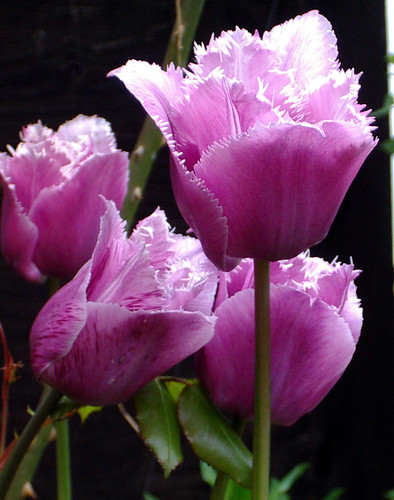
Purple fringed tulips

Can you tell?

In just three or so months, sometime in April or early May, these absolutely lovely fringed tulips will bloom in my garden. I can’t wait.

I adore these purple beauties.

I also enjoy photographing them. I think almost every picture I’ve taken of any of my fringed tulips has turned out quite well. They are just very photogenic flowers.

Unlike some of the other hybrid tulips I’ve planted in my garden, Angelique for example – which have all but disappeared or reverted back to standard tulips, these ones seem to have naturalized in my garden. The clumps are growing and spreading.

I think I have three or four areas in my garden where these lovelies bloom their pretty little heads off. I must remember to dig up the tulips when they are finished bloom this spring and plant some of the new bulbs in other areas so I’ll have even more clumps of fringed tulips. I meant to do that last year, but didn’t.

If I’m smart I’ll dig up some of my other spring flowers and tulips and move th new bulbs and corms to other areas of the garden as well.

BTW please read the post above this one as I’ve made a suggestion that GTS members check in here each week when they’ve made a new Green thumb post. I’d like to know if you like the idea or not.

Gardeners, Plant and Nature lovers can join in every Sunday, visit As the Garden Grows for more information. GTS participants remember to check in at As the Garden Grows each week so that we’ll know you made a new post!

Filed Under: Bulbs, Garden Buzz, Green Thumb Sunday, Home and Lifestyle, Photography, Spring Tasks Tagged With: bloom, Bulb, Bulbs, clump, clumps, Corm, corms, divide, flower, flowers, fringed tulip, Fringed tulips, garden, gardener, gardeners, Green Thumb, Green Thumb Sunday, grow, growing, hybrid, love, my garden, natural, naturalize, nature, new areas, new bulbs, photo, photograph, photos, picture, plant, plant in new beds, planted, purple, purple tulips, spread out, spring, spring flower, spring flowers, tulip

Cork flooring – beautiful and an eco-friendly choice for your home

by Tricia

Are you thinking about replacing the flooring in your home? Perhaps tearing out your wall to wall carpeting and putting down a beautiful wooden floor?

That certainly seems to be the trend these days. I can even say that my own home has no carpeted floors. We tore them out when we first moved in because we both have allergies to dust mites, cats and dogs and the former home owners had had a cat. We were also lucky enough to discover that the flooring beneath the carpeting was in fairly good shape and only needed a little bit of work in order to regain it’s former beauty.

If we’d found that we had to replace the current flooring we might have chosen to go with cork. I’ve actually thought of replacing the not so nice looking laminated fake wood flooring that’s in our kitchen with cork flooring.

Have you ever thought of using cork flooring? It’s durable and comes in many different styles and colors from natural honey tones to red, green, chocolate, black and many other shades. Have a look at three different types I’ve selected to show you:

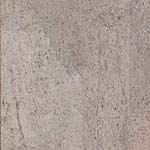
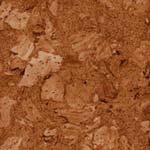
bamboo-natural_hb.jpg stone-cream_hb.jpg mediterranean.jpg

The first image is a natural bamboo style cork flooring, while the second cork flooring image is called Stone Cream (both by Valencia) and it almost looks like marble doesn’t it? The last image is called Mediterranean (by DaVinci) and it has a rich red tone to it.

You could easily purchase a style and color of Cork Flooring to suit any room in your home.

As someone who tries to live green the idea of using an easily renewable product such as cork flooring in my home is appealing.

When cork is collected for use in the creation of flooring and other products no trees are cut down. No. Instead, the bark is peeled from parts of the tree without harming the tree at all. New bark grows back within nine to ten years and is ready to be harvested once again.

See how environmentally friendly cork flooring really is? No trees are cut down or harmed at all. The fact that the trees remain in place and standing likely means that the delicate eco-systems that live in an around the trees probably have very little disruption.

Floormall.com carries several cork flooring lines made by some of the top manufactures in the business. Valencia, Da Vinci, Natural Cork, Wicanders, and APC cork floors are featured cork flooring manufacturers at the Floormall.com. I believe the majority of the cork flooring styles sold at the Floormall.com website are glue-less joint systems, which means they should be easy to install in your home.

If cork flooring sounds like it might be a great choice for your home visit the floormall.com. You can talk to a live service representative 7 days a week/ 24 hours a day if you have questions.

Filed Under: Great Sites, Home and Garden, Home and Lifestyle, Living Green, Renovating and DIY, Shopping Tagged With: APC cork floors, Beautiful, carpet, colors, cork, cork flooring, Da Vinci, durable, easy to install, eco system, environment, environmentally friendly, flooring, floormall.com, glueless joint system, harvested, home, kitchen, Living Green, natural, Natural Cork, purchase, Questions, renewable, replace, shades, style, styles, tree, Valencia, variety, Wicanders

  • « Previous Page
  • 1
  • 2

Subscribe


Never miss a post
Subscribe to our RSS feed!
It's FREE! rss feed

Free Newsletter

As the Garden Grows
by Email - FREE!


Follow me on Twitter!

Suggested Sites

Eavestrough Cleaning Toronto

Categories

Recent Posts

  • Top Three Tips For Choosing The Right Patio Furniture For Your Home
  • The 4 Things To Know About Perennial Garden Design
  • Painful Plants: Five Houseplants That Can Cause Injury
  • An Outbreak Shouldn’t Mean A Break Out: 3 Insect Repellants Gentle Enough For Your Skin
  • 5 Ideas To Make Your Garden POP
  • 6 Simple Ways To Make Your Home Eco-Friendly
  • How To Redesign Your Garden To Make It Safe For Your Children
  • Starting A Career As A Professional Gardener
  • 6 Time Saving Tips For Gardening
  • Top Tips On Redesigning Your Garden For The Summer

What they’re Saying

  • Rodhe Stevens on Landscaping Tips On A Limited Budget
  • Edmund Wells on Benefits of using mulch on the garden
  • Surjith on An Outbreak Shouldn’t Mean A Break Out: 3 Insect Repellants Gentle Enough For Your Skin
  • Pamela on The 4 Things To Know About Perennial Garden Design
  • dog on The quality of your pet food is important

Pages

  • About
  • Archives
  • Become a Guest Blogger For As the Garden Grows
  • Blog
  • Categories
  • Contact
  • Disclosure
  • Do Follow Bloggers Blogroll
  • Green Thumb Sunday
  • I am Canadian Blogroll
  • Join GTS Meme
  • Links
  • Privacy Policy
  • Q & A
  • Toronto Bloggers Blogroll
  • What’s Growing

Search

My Garden

Member of
Garden Voices

Tags

backyard Beautiful bloom blooming blooms Bulbs cold Entertainment and Rec flower flowers garden garden bed garden beds gardener gardening green Green Thumb Green Thumb Sunday grow growing GTS home Home and Lifestyle House In The Garden leaves my garden photo photos plant plants purchase rain rose roses Shopping snow spring summer Toronto water weather winter Wordless Wednesday WW

Site Ratings


Visitors since 2006


Meta

  • Log in
  • Entries feed
  • Comments feed
  • WordPress.org

Connect with me

  • Facebook
  • Google Plus
  • Pintrest
  • Twitter
  • RSS

Copyright © 2026 · News Child Theme on Genesis Framework · WordPress · Log in