As the Garden Grows

What's blooming today?

  • Home
  • Blog
  • Archives
  • Links
  • About
  • Join GTS Meme
  • Guest Blogger
  • Contact

You are here: Home / Archives for raised beds

How Does Your Garden Grow – An Introduction To Raised Beds

by Trish

The push towards a “green” lifestyle has inspired many people to consider growing their own food. The growing cost of groceries plays are part as well, and besides, it’s just healthier to eat fresh, organic food. Whatever your particular reason for wanting to grow your own food, there are some things to consider when it comes to building a raised bed.

Not all Beds Are Built Alike

I’ve seen some gorgeous garden arrangements, and I’ve seen some slapdash beds that look so unstable I worried about planting lettuce in them. Wood rot is going to happen, as is some settling, so plan for these when designing your bed. Wet soil with giant cabbages growing it in is considerably heavy, legs built from 2×4’s are going to need some bolstering.

Whether built a few feet off the ground for comfortable sitting, or built at waist height for less bending, the width of your bed should be no more than your arm’s can reach easily. Tending the garden becomes a tedious chore when it cannot be accomplished with comfort and serenity.

Raised Bed Gardening From the Ground Up

  • Use Recycled and Reclaimed Materials – Shopping local for materials which still have plenty of life in them is a cost-effective alternative to buying something which may be treated with toxic chemicals. From wood to marble, there are plenty of attractive options for the garden retreat of your dreams.
  • Use Your Resources – Building a raised bed out of discarded wooden pallets results in a bed that is solid, and attractive. Instructional videos for building different styles of raised beds out of wooden pallets are numerous on Youtube and people practically give pallets away on Craigslist.
  • Create Your Own Compost – Landfills are overfilled as it is, and your garden sure would love to devour the rest of that orange if you’re just going to toss it out. While you’re at it, toss in some coffee grounds, eggshells, lawn clippings, paper waste, and anything made of natural materials (think yellow pages and cotton t-shirts). No animal products like bones, and meat, please, this just invites flies and those are never fun.
  • Plant What You Love – Talk to the experienced growers at your local farmer’s market or community garden to find out what grows best in your region, as well as the ideal time to plant. Plant those things you love to eat, but also plant a variety of different regional favorites. Zucchini is known to be a prolific grower, for example, a few seeds go a long way.
  • Plant What’s Expensive – It’s okay to plant some exotic goodies too, especially if they cost a pretty penny at the market. You may need to put in a little extra effort in the form of shielding plants from the sun, or extreme temperature changes, but it will be well worth it when it comes time to harvest.
  • Keyhole gardens, Ultimate in Efficiency -Recently I’ve become enamored with keyhole gardens. This particular form of raised garden takes advantage of water-shortage situations by using a central composting pit for most of the hydration and nutrients for the plants growing within. The keyhole refers to the little notch in the circular garden that allows easy-access to the compost deposit. Three standard-size keyhole gardens (less than 6” in diameter) will feed a small family comfortably.
  • Or Start Small – Not quite ready for the commitment of a fully-fledged raised bed or keyhole garden? It’s okay, it takes time to develop a green thumb. Build up some confidence by planting some herbs in decorative containers. Not only do herbs smell fantastic, they also taste great in a variety of recipes and they are very forgiving plants.

Water Efficiently

It can be tempting to water your garden beds till the soil is like mud, and that’s okay for some, but it’s also a potential waste of water. In some Florida towns like Clearwater, gutters are important for collecting enough water to keep a garden. There’s nothing better than rain water for hydrating your garden. Growing your own food is not only essential for optimal health, it’s good for the environment too, since it saves from making frequent trips to the grocery store.  

Rachel Cook is a sustainable living enthusiast who loves to pitch in and volunteer her time at organic farms around Hawaii. When Rachel needs inspiration for low-cost maintenance projects that extend a home’s value while remaining eco-friendly, she browses sites like www.raincontrolaluminuminc.com.


Filed Under: Garden Maintenance, Garden Tips, In The Garden Tagged With: compost, Garden Grow, Keyhole gardens, organic food, plant, raised beds, Recycled, Resources, Start Small, water

How to Grow Rosemary

by Trish

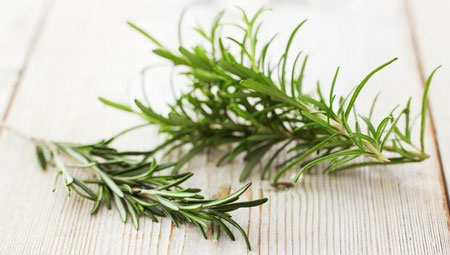
The rosemary plant is blue-green with needle-like foliage as well as a compelling fragrance which contribute to make this tender and perennial plant a favorite with gardeners. Rosemary seeds germinate erratically and slowly hence the common practice of propagating them through cuttings. Although a glass of water is sufficient for rooting the Rosemary plant, additional effort offers more favorable results.

The chosen site should be capable of getting full direct sunlight as well as a light afternoon shade and excellent drainage.

  • Raised beds are ideal for rosemary which prefers average to poor soil with a 6.5 to 7.0 pH.
  • Set the transplants aground at a similar depth to the one at the nursery pots.
  • A minimum of 2 feet should be spared around the plant to guarantee favorable air circulation.
  • Clip sprigs or leaves anytime they are required.

Growth of Rosemary in Cold Climates

  • Buy started plants from nurseries for planting during early spring.
  • Clay pots should be used and the required proportions are at least a depth of 12 inches and a width of 12 inches as well as many drainage holes.
  • The clay pots should then be filled it with coarse and light potting mix, for example cactus soil and an addition of perlite. Set the plants into new quarters while ensuring the depth is similar to the primary one at the nursery pots.
  • After the frost danger passes, harden off the plants and moved outdoors
  • Ensure regular watering is done while making sure the soil is vaguely moist but not wet. During early summer and spring, compost tea should be fed to the plants on a monthly basis.
  • The plants should be brought back indoors way before the foremost frost and put in a sunlit area west-or-south facing window. If there is scarcity of winter sunlight in the house, the supply should be augmented the supply using fluorescent lights.
  • Keep the soil moist by watering tepid water to the plants twice in one week.
  • Clip sprigs or leaves anytime they are needed.

Rosemary repels bean beetles and cabbage moths and is a plant that should be planted where it is intended to stay because it resents being transplanted. For the ideal selection of orchid plants, it is recommendable to purchase rosemary plants from herb specialists. When winter temperatures drop below thirty degrees Fahrenheit, it is generally advisable to plant the plant containers preferably terracotta all year to avoid transplanting.

Author bio:

This article is presented to you by www.growguides.net , a website offering free tips and advices on gardening to people all over the world.

Filed Under: Herbs, Plant Profiles Tagged With: clay pots, cuttings, direct sunlight, drainage, foliage, frangrance, garden, germinate, grow, indoors, moist soil, perennial, potting mix, propagate, raised beds, rosemary, shade, spring, summer, watering

I think my garden is two weeks ahead this year

by Tricia

I can’t believe how well my garden is doing so far this Spring. We had a much warmer than usual March (that means above zero temps instead of -20 C!) and that seems to have put my garden ahead by at least two weeks.

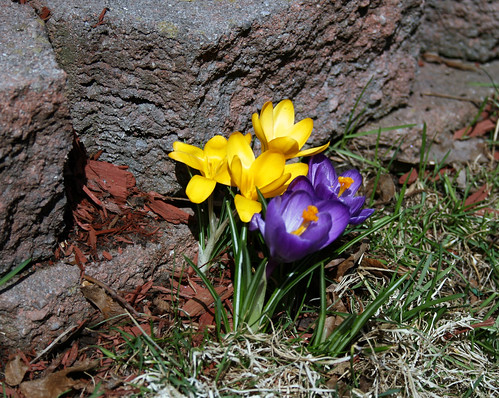
The Crocuses are just about finished blooming in the backyard – although the ones in the shadier front lawn haven’t come up yet). The ones remaining in the back are wilted or just green leaves now. Here’s what they looked like about two weeks ago at their best:

IMG_5316

The raised garden beds have little green patches throughout – the tulips leaves are almost fully grown, as are the hyacinth leaves. Some of the hyacinths have started to develop buds and I expect that they’ll be blooming in a few days. The Glories of the Snow are up as well and most are in bloom. Actually a lot of my spring bulbs are producing leaves or showing signs of life, the roses are starting to leaf out as well. It’s certainly nice to see all the green leaves as well as spots with pink and blue flowers.

My Danfordia irises were up and blooming last weekend, but then we let the dog out in the yard and she trampled them. 🙁 She also ate a few of the Crocus flowers and leaves and gave us a bit of a scare late that night when she wouldn’t settle down. She kept trying to lie down in various areas of our living room but then she’d jump up again and change spots a minute later. This went on for over two hours. So for now we’re not letting her out in the yard – when she gets excited (seeing the new puppy next door) she tends to bit plants randomly … that’s not good when there are some toxic plants out there!

So far my garden beds are looking good. They still have cedar mulch on them from last year.  I did however spend some time tidying them up and pulling out oh maybe 100 tiny maple trees that had started growing in the still bare spots in the raised beds. With all the rain we’ve had in the past few days I’m sure I’ll have more to pull out this weekend.

How is your garden doing this Spring? Is it a week or two ahead because of warmer temps earlier in the year or is it behind?

Filed Under: Blooming today, Garden Buzz, In The Garden, Photography, Spring Tasks Tagged With: crocus, dog, flowers, garden, gardening, glories of the snow, green, greening up, irises, leaves, raised beds, spring, toxic, tulips, two weeks ahead, warm

  • 1
  • 2
  • Next Page »

Subscribe


Never miss a post
Subscribe to our RSS feed!
It's FREE! rss feed

Free Newsletter

As the Garden Grows
by Email - FREE!


Follow me on Twitter!

Suggested Sites

Eavestrough Cleaning Toronto

Categories

Recent Posts

  • Top Three Tips For Choosing The Right Patio Furniture For Your Home
  • The 4 Things To Know About Perennial Garden Design
  • Painful Plants: Five Houseplants That Can Cause Injury
  • An Outbreak Shouldn’t Mean A Break Out: 3 Insect Repellants Gentle Enough For Your Skin
  • 5 Ideas To Make Your Garden POP
  • 6 Simple Ways To Make Your Home Eco-Friendly
  • How To Redesign Your Garden To Make It Safe For Your Children
  • Starting A Career As A Professional Gardener
  • 6 Time Saving Tips For Gardening
  • Top Tips On Redesigning Your Garden For The Summer

What they’re Saying

  • Rodhe Stevens on Landscaping Tips On A Limited Budget
  • Edmund Wells on Benefits of using mulch on the garden
  • Surjith on An Outbreak Shouldn’t Mean A Break Out: 3 Insect Repellants Gentle Enough For Your Skin
  • Pamela on The 4 Things To Know About Perennial Garden Design
  • dog on The quality of your pet food is important

Pages

  • About
  • Archives
  • Become a Guest Blogger For As the Garden Grows
  • Blog
  • Categories
  • Contact
  • Disclosure
  • Do Follow Bloggers Blogroll
  • Green Thumb Sunday
  • I am Canadian Blogroll
  • Join GTS Meme
  • Links
  • Privacy Policy
  • Q & A
  • Toronto Bloggers Blogroll
  • What’s Growing

Search

My Garden

Member of
Garden Voices

Tags

backyard Beautiful bloom blooming blooms Bulbs cold Entertainment and Rec flower flowers garden garden bed garden beds gardener gardening green Green Thumb Green Thumb Sunday grow growing GTS home Home and Lifestyle House In The Garden leaves my garden photo photos plant plants purchase rain rose roses Shopping snow spring summer Toronto water weather winter Wordless Wednesday WW

Site Ratings


Visitors since 2006


Meta

  • Log in
  • Entries feed
  • Comments feed
  • WordPress.org

Connect with me

  • Facebook
  • Google Plus
  • Pintrest
  • Twitter
  • RSS

Copyright © 2026 · News Child Theme on Genesis Framework · WordPress · Log in