As the Garden Grows

What's blooming today?

  • Home
  • Blog
  • Archives
  • Links
  • About
  • Join GTS Meme
  • Guest Blogger
  • Contact

You are here: Home / Archives for roots

Why not grow your own hydroponic vegetables?

by Tricia

Have you ever thought of growing your vegetables hydroponically? If you live in a cold climate this might just be the best way to have fresh vegetables for your family year round.

Basic Hydroponic Garden

Image by J Wynia via Flickr

The process of hydroponic vegetable gardening is different than regular gardening. The vegetables are grown in a liquid nutrient solution. The plants usually have either their root system in an inert medium or are completely submerged in the fluid.

There are several different types of hydroponic gardening systems. There are drip systems, passive systems, the ebb and flow system, an NFT system and the aeroponic system.

If you are using the ebb and flow system, the roots of the plants are flooded periodically with nutrient solution and the plant is able to obtain its nutrients in this manner. This is achieved using a pump on a timer that will periodically pump nutrient solution into the plant containers and allowing the chambers to drain completely. The ebb and flow method typically uses a growing medium of some kind for the plant to root in.

The drip variation uses the pump and timer to pump solution directly onto the roots of the plants on a regular schedule. The excess solution then drips back into the reservoir where it is used again on the next timer interval. This method also typically uses a growing medium of some kind.

In a passive system, the lowest maintenance of all systems, the plants are grown with their roots dangling directly in the growing solution. There are no timers or pumps required for the technique, however, an air pump and air stone are often employed to ensure that the oxygen levels in the solution are sufficiently high.

Aeroponic is a slightly more complicated and advanced method of hydroponic vegetable gardening. The roots of the plants are completely exposed to the air and the pumps are used to mist nutrient solution onto the roots at frequent intervals. Insufficient misting will risk drying out the roots and killing the plant while excessive misting can cause molding. There is no growing medium used with aeroponics.

Finally, the Nutrient Film Technique, or NFT, systems make use of trays in which constantly flowing nutrient solution is pumped over the roots of the plants before draining back into the reservoir. This is another method in which a very regular frequency is required to keep the plants from drying out as there is no growing medium to help trap moisture.

When using a growing medium in hydroponic gardening you can use any number of chemically and nutritionally inert substances, such as coconut fibers, gravel, sand, rock wool or even air. The only additional requirement for a growing medium is that it allow the nutrient solution to drain freely from the container.

Once a method has been chosen and the system is setup, it is critical to ensure that the pH of the nutrient solution is kept consistently in the 5.5 to 6.5 ranges. Anything lower and you risk burning the plant with an acidic solution, and anything higher and you eventually risk burning the plants with a basic solution. In either case the plants will suffer and cease to flourish before eventually dying.

Finally, unless the system is sitting in a location where it can easily obtain natural sunlight, some manner of light will need to be provided. The options, from worst to best and also listed from cheapest to most expensive, are: incandescent, fluorescent, and high intensity discharge lamps.

Getting started with hydroponic vegetable gardening may seem a daunting task but it is fairly straightforward once the basics are learned.




Filed Under: Garden Tips, Health, Home and Lifestyle, vegetables Tagged With: aeroponic, air_flow, air_pump, drip_system, ebb, Ebb_and_flow, flooded, flow, food, garden, gardening, growing_medium, Hydroponic, hydroponic_systems, lamps, liquid, liquid_nutrients, misting, NFT_system, nutrient, passive_system, PH, plants, pump, roots, schedule, vegetables

Plants I thought I’d lost were just dormant for a few years

by Tricia

Join Green Thumb Sunday

Join

I had a little bit of a surprise this year garden wise. You see there were some plants that I thought had died last year or the year before as they never came up in the spring. Well this year, after our long snowy winter I got a surprise … the Oriental Poppy in my front flower bed started growing again after at least two years absence.

IMG_3936

The flowers were huge and they were on stocks that seemed to be much longer than I remember them being in the past. I guess my poppy had a good rest.

I also have some daylilies coming up in the front that I haven’t seen for a two or three years. The front flower bed tends to be dry and I think there’s lots of roots in it from the huge maple tree in my neighbors yard, but as I said we had a very snowy winter and I believe all that moisture must have helped bring some dormant plants back to life again.

The backyard is alive with roses! I took some photos yesterday but I haven’t had time to transfer them to my computer yet. I’ll post them in a day or two though. My yard is almost gawdy now that there are so many roses blooming.

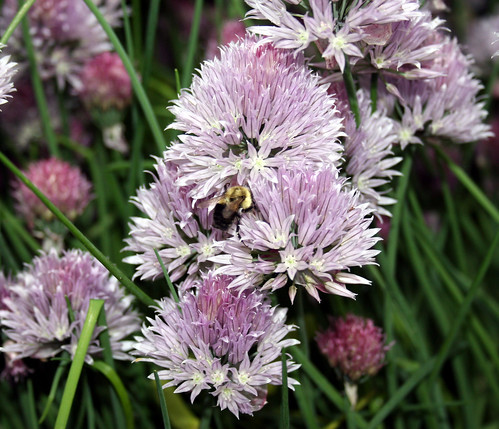
The chives are just about done blooming, but while they were in their prime I managed to take a photo on an industrious bumble bee collecting pollen from the chive flowers.

IMG_3956

Is your garden full of blooms right now too?

Gardeners, Plant and Nature lovers can join in every Sunday, visit As the Garden Grows for more information. GTS participants remember to check in at As the Garden Grows each week so that we’ll know you made a new post!

Filed Under: Blooming today, Garden Buzz, Green Thumb Sunday, Photography Tagged With: absence, backyard, blooms, bumble bee, chive flowers, chives, daylilies, dormant plants, flower, flower bed, front, gawdy, Green Thumb Sunday, GTS, maple tree, moisture, neighbors, oriental poppy, pollen, poppy, roots, roses, snowy winter, stocks, surprise

Spring tasks to get your garden growing

by Tricia

It’s been a long winter

Many of us in the North experienced one of the snowiest winters that we’ve had in years. Cool temperatures are continuing even though it’s already officially spring. I’d say that this year we’re probably going to be two or three weeks behind on our normal Spring gardening tasks.

Normally the snow is gone, or just about gone, by this time in March. In fact I usually have crocus’ and snowdrops blooming by now. However, if you experienced the same winter I did your garden is likely still buried under snow!

Still … it’s time to think about Spring gardening tasks.

I’m sure some of you have already started cleaning up your garden and preparing for the season ahead. Those of us that are still unable to get out into the garden, well … we can at least make sure that our gardening tools are in order, oil and sharpen our pruners and purchase any supplies that we need so that we’ll be able to catch up once the snow finally melts!

Spring Tasks

  • As I stated above, this is a great time of year to maintain your gardening tools by cleaning, sharpening and oil pruners, having your lawnmower blades sharpened, buying new gardening gloves and any other items that you might need throughout the coming months.
  • Once the grass is no longer wet and the soil in your garden beds dries out begin your outdoor tasks by raking the lawn to get rid of leaves, twigs and other debris that has accumulated in your yard thanks to winter winds.
  • Rake the dead growth from your lawn.
  • If you have damaged or bare patches on your lawn purchase some grass seed and re-seed those areas. Be sure to scratch the soil with a rake first and then apply grass seed to the area. Lightly cover the seed with a thin layer of soil and be sure to keep the area well watered until the seeds germinate and new grass begins to appear.
  • If you protected your shrubs, trees or any garden plants over winter it’s time to remove the winter protect. As the air warms it’s very important that your shrubs and trees have good air circulation around them. Leaving burlap or other forms of winter protect on too long can lead to bark rot.
  • This is also a great time of year to plant new trees, shrub, roses and other hardy dormant plants. Also if you have any trees or shrubs that you’d like to transplant elsewhere in your yard do it before they begin to leaf out.
  • Many trees and shrubs benefit from a spray of dormant oil as this helps to control scale insects and other overwintering pests. Euonymus, magnolias, crabapples and other fruit trees should be sprayed when their buds are in swell.
  • Take a good look at your garden beds and if you notice that any of your plants have come up out of the earth to the freeze and thaw cycles at this time of year. Replant any heave-ho victims as soon as possible. Most will recover nicely if you find them and replant while it’s still cool.
  • Wait until temperatures are reliably warm before you begin to remove mulch and cut back plants such as roses, evergreen plants and shrubs. You can cut off obviously dead branches but don’t cut into live branches until there’s no chance of frost or a return of cold weather. If you aren’t sure what to cut then just wait until it’s a little warmer and your plant is showing obvious signs of growth. Once you do feel it’s time to prune it’s best to prune plants such as roses before they leaf out.
  • Clear your garden of the previous seasons dead plant material such as dead leaves and other debris as they can harbor molds and overwintering pests.
  • Ornamental grasses can be cut back at this time as well.
  • Don’t overwork your garden beds by digging too early. The soil structure is delicate and if you dig in it while it’s still wet you can damage it’s composition. Soil should fall apart when you pick up a handful. If it sticks together in a clump wait until it dries out a bit more.
  • Once the soil has dried out you can begin to dig garden beds, add manure, compost and prepare for the planting of new perennials, annuals and vegetables.
  • Weeds will likely be some of the first green growth you see in your garden. Pluck them out now while they are still young and their roots are shallow. It will mean less work for you later on!
  • Don’t forget to care for your houseplants. The winter months can be hard on house plants as the air is often dry inside the house due to forced air heating. The light levels have also been lower too. Perhaps take a few moments to pick off any dead leaves, top up their soil and lightly fertilize your houseplants so they too will have a great spring start.

Happy Gardening!

Filed Under: Garden Maintenance, Garden Tips, Garden Tools, Home and Lifestyle, House Plants, In The Garden, Lawn Care, Organic, Spring Tasks Tagged With: air circulation, annual, Annuals, Beds, bloom, blooming, branch, bud, bud swell, buds, burlap, clump, cold, cold weather, composition, compost, crocus, cut back, dead leaves, debris, delicate, dig, dormant oil, dry soil, fertilize, Fruit, garden, garden bed, garden beds, garden care, Garden Tools, gardening, germinate, get ready, grasses, green, grow, growth, hardy, heaved plants, House, House Plants, Houseplants, insect, lawn, Lawn Care, lawn mower blades, leaves, light, maintain, manure, melting snow, mulch, oil, outdoor, overwinter, perennial, Perennials, pests, plant, plant material, planting, plants, prepare, prepare soil, prune, pruning, purchase, rake, rake lawn, remove, replant, reseed, roots, rose, roses, scale, seeds, sharpen, shrub, shrubs, snow, spray, spring, temperature, transplant, tree, trees, vegetables, warm, water, weed, weeding, winter, winter protection

  • « Previous Page
  • 1
  • 2
  • 3
  • 4
  • Next Page »

Subscribe


Never miss a post
Subscribe to our RSS feed!
It's FREE! rss feed

Free Newsletter

As the Garden Grows
by Email - FREE!


Follow me on Twitter!

Suggested Sites

Eavestrough Cleaning Toronto

Categories

Recent Posts

  • Top Three Tips For Choosing The Right Patio Furniture For Your Home
  • The 4 Things To Know About Perennial Garden Design
  • Painful Plants: Five Houseplants That Can Cause Injury
  • An Outbreak Shouldn’t Mean A Break Out: 3 Insect Repellants Gentle Enough For Your Skin
  • 5 Ideas To Make Your Garden POP
  • 6 Simple Ways To Make Your Home Eco-Friendly
  • How To Redesign Your Garden To Make It Safe For Your Children
  • Starting A Career As A Professional Gardener
  • 6 Time Saving Tips For Gardening
  • Top Tips On Redesigning Your Garden For The Summer

What they’re Saying

  • Rodhe Stevens on Landscaping Tips On A Limited Budget
  • Edmund Wells on Benefits of using mulch on the garden
  • Surjith on An Outbreak Shouldn’t Mean A Break Out: 3 Insect Repellants Gentle Enough For Your Skin
  • Pamela on The 4 Things To Know About Perennial Garden Design
  • dog on The quality of your pet food is important

Pages

  • About
  • Archives
  • Become a Guest Blogger For As the Garden Grows
  • Blog
  • Categories
  • Contact
  • Disclosure
  • Do Follow Bloggers Blogroll
  • Green Thumb Sunday
  • I am Canadian Blogroll
  • Join GTS Meme
  • Links
  • Privacy Policy
  • Q & A
  • Toronto Bloggers Blogroll
  • What’s Growing

Search

My Garden

Member of
Garden Voices

Tags

backyard Beautiful bloom blooming blooms Bulbs cold Entertainment and Rec flower flowers garden garden bed garden beds gardener gardening green Green Thumb Green Thumb Sunday grow growing GTS home Home and Lifestyle House In The Garden leaves my garden photo photos plant plants purchase rain rose roses Shopping snow spring summer Toronto water weather winter Wordless Wednesday WW

Site Ratings


Visitors since 2006


Meta

  • Log in
  • Entries feed
  • Comments feed
  • WordPress.org

Connect with me

  • Facebook
  • Google Plus
  • Pintrest
  • Twitter
  • RSS

Copyright © 2026 · News Child Theme on Genesis Framework · WordPress · Log in