As the Garden Grows

What's blooming today?

  • Home
  • Blog
  • Archives
  • Links
  • About
  • Join GTS Meme
  • Guest Blogger
  • Contact

You are here: Home / Archives for seed

Creating the Perfect Lawn From Seed

by Trish

The perfect lawn doesn’t just happen. Rather, it is the result of hard work, patience and common sense. However, as long as the basic rules are followed, even a novice can achieve excellent results.


One of the keys to a perfect lawn grown from seed is soil preparation. First, the site has to be dug over and cleared of any detritus, stones and weeds. Weeds fall into two categories – annual weeds and perennial weeds. Annual weeds are easy to clear as they can be got rid of by hoeing or just in the act of turning over the earth and disturbing the roots. Perennial weeds are, however, a different matter, and require more care. When digging over the site, take care to remove all traces of roots as well as obvious weeds such as dandelions. The reason for this is that if you leave just one bit of root, no matter how small, it will probably return with a vengeance a few months down  the line and spoil the look of your new lawn.

When you are satisfied the area is weed-free, you can set about ensuring that you have a level surface on which to sow the seed. If you are dealing with a large area, you may find it easier to mark it out into sections and do one at a time. However you do it, it is useful to have a spirit level that you can place wherever desired to check that you haven’t created any slopes and that any hollows or bumps have been evened out. The best tool to use for flattening and levelling is a garden rake, which can also be used to break down any lumps of earth to form the fine tilth that you require.

At this point, you can take a breather, as you need to leave the prepared bed for two to three weeks to allow any weeds to germinate. When they do, treat them with a weedkiller and rake off after a couple of days. Then, apply a base dressing comprising of a micro-granular or compound granular fertilizer and leave for a few more days.

Now it’s time to sow the seed. Sowing is a relatively simple business, provided you do it on a dry, windless day, but before you even buy your seed, bear in mind what your lawn is going to be used for. If it is a family lawn that is going to bear the brunt of any manner of indignities, you require a different type of seed to someone who is going to plant a lawn for a putting or bowling green. Make sure you get the right seed mix by going to a reputable seedsman. It may cost a little more than the local garden centre, but his advice will prove to be well worth any extra cost in years to come.

Scatter the seed in the proportions (grams per square metre) advised by your seedsman or on the box. To avoid sowing unevenly and to make sure you have sufficient seed, mark the plot out into sections of one square metre with a little sand. If you don’t do that, you may run out of seed before you’ve covered the whole site.

Finally, spray the area with water. It’s vital to keep it moist over the first ten to fifteen days, so the seeds will germinate. Depending on whether you sow in the spring or the autumn, the best sowing times, you can either rely on the weather or have to do it yourself, but don’t let it dry out. When the grass has reached a height of about five centimetres, you can cut it to about two to three centimetres with a rotary mower.

Written on behalf of the seed specialists King Seeds


Filed Under: Lawn Care Tagged With: germinate, lawn, seed, soil preparation, sow seed, water, weeds

Helpful tips to avoid injuring yourself in the garden

by Tricia

Now that it’s July, you’ve probably finished most of your major gardening work for the summer, unless of course you are in the process of doing some landscaping. However, it’s always a good idea to use proper body mechanics while in the garden to avoid injury to your back or other joints.

Autumn will arrive soon enough and some of us will have more planting to do and other garden maintenance to prepare for winter so here’s some tips for you to help you avoid injuring yourself when you’re just trying to get a little gardening done.

Protect your joints

If you will be kneeling while working in the garden use knee pads, a knee cushion or a kneeler seat to protect your knee joints. Also remember to use tools with padded handles or easy spring loaded grips in order to minimize stiffness in your hands.

Take care when lifting!

We just finished mulching our garden – yes we were a little behind as usual! bags of garden mulch, soil and other garden supplies are heavy and can be difficult to carry. Use a wheelbarrow to move items from your car and place them close to the area where you will be using them. Another great idea is to open the bag, dumping the contents in the wheelbarrow or close to where you’ll be using it and then use a shovel to move small portions of the material to the garden.

Plan your tasks and conserve your energy

Just like in nursing and many other jobs it’s best to prepare everything that you’ll need before you start a task. Gather up all the gardening equiptment that you’ll need in a basket or container and carry it to the yard. This will save you trips and perhaps some time searching for tools once your already working in the garden.

I tend to bend or squat while working in the garden and I almost always end up with a sore back. Sit or kneel in one area and complete your gardening task – weeding, planting, pruning before moving to another area of the garden. This will also help conserve your energy and kneeling or using a kneeler seat will help your back too.

Moving heavy plants and other heavy objects

When it comes to landscaping your yard with new trees, shrubs or plants – perhaps large plants or ones in containers always try to move them with a wheelbarrow.

Tip the wheelbarrow forward as close to the plant as possible. Then gently rotate the pot or ball of plant onto the wheelbarrow. Slowly bring the wheelbarrow into standing position (keep your knees bend while you do this to easy your back). Carefully move the plant to it’s destination and reverse the process to get the plant off the wheelbarrow.

If you were thinking ahead and already dug a hole for the plant you might be able to move it right off the wheelbarrow and into it’s new hole!

If you have to lift a heavy item squat down, get a good grip and use your legs to lift. Don’t use your back or you’ll risk injuring your back. If there is someone else around to help you move heavy plants don’t hesitate to ask for help.

Work on one project at a time

I’m guilty of starting several projects at once and then feeling compelled to finish all of them before I stop gardening for the day. Don’t be like me – start one project at a time and finish it before moving on to another project whether it’s planting your annuals or planting seeds or seedlings or digging holes for your new roses. One job at a time.

Take a moment to decide which task needs to be given priority. Perhaps one task will take a lot longer than an other or your plants are desperately in need of care. Decide which job needs to be done first and start it. This can keep you from overdoing it and you might feel more satisfied with yourself when you complete the task rather than having several unfinished jobs on the go.

Listen to your body!

Yet another rule that I’m guilty of not following. I push myself in the garden even when I’m not feeling well or when my back is in full on spasms. I just will not go inside until I’m finished whatever I started. (I am getting a little better at listening this year as I try to plan smaller tasks).

Your body will tell you when it’s had enough. Listen to it. Muscles aching? Feeling tired? Sit back and take a break or stop your work for the day.

If you drink water while working in the garden you’ll remain well hydrated and well hydrated muscles will cramp less.

Don’t forget to stretch once you are done working in the garden. Stretching will help reduce muscle soreness and keep your more flexible. Once inside take a shower or a long soak in the bath tub to ease those muscles. Your body will thank you for it!

Filed Under: Garden Maintenance, Garden Tips, Health, Health and Fitness, Home and Lifestyle, In The Garden Tagged With: aching, aching back, annual, Annuals, autumn, bath, body, care, Container, cushion, dig, digging, drink, energy, equiptment, garden, garden injuries, garden injury, Garden Maintenance, gardening, Gather, hole, jobs, July, knee, kneeler, Landscaping, lift properly, lift with legs, lifting, maintenance, mulch, muscle, muscles, plan, plant, planting, plants, prepare, prepare tasks, process, project, projects, Protect, pruning, rose, roses, seat, seed, seedling, seedlings, seeds, shovel, shower, shrub, shrubs, soil, sore back, spring, squat, summer, task, tips, tired, tree, trees, use wheelbarrow, water, weed, weeding

My twisted garden

by Tricia

Grab the Photo Hunt code.
Photo Theme. Visit participants.

This weeks theme is Twisted

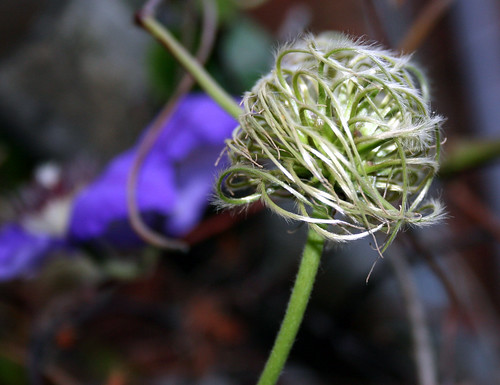
clematis hybrid Seiboldiana seed heads and flower

Isn’t it funny how strange some plants look either as they are developing or after they’ve bloomed?

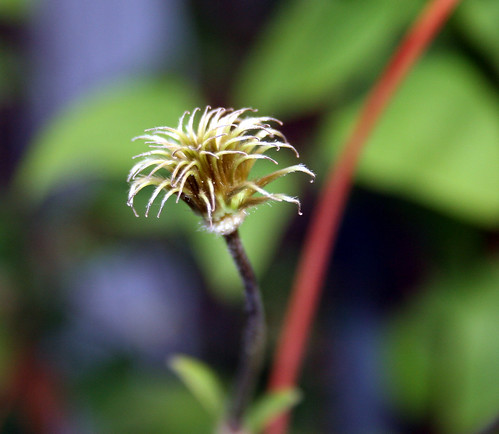
The photo above is of a seed head from a Hybrid Seiboldiana Clematis.

I grow several types of clematis and this is the only one with a strangely twisted seedpod. Most of the rest of the clematis develop seed heads that look more like this:

Clematis seed head

Do you have any plants in your garden who’s leaves or flower buds look strange at the beginning or end of their life cycle?

Filed Under: Garden Buzz, Home and Lifestyle, Perennials, Photo Hunter, Photography, Recreation Tagged With: bloom, bud, buds, Clematis, clematis hybrid Seiboldiana, developing, flower, funny, garden, grow, hybrid, image, leaves, life, PH, photo, Photo hunt, photohunt, photohunter, photohunters, photos, plant, plants, seed, Seed head

  • 1
  • 2
  • 3
  • …
  • 7
  • Next Page »

Subscribe


Never miss a post
Subscribe to our RSS feed!
It's FREE! rss feed

Free Newsletter

As the Garden Grows
by Email - FREE!


Follow me on Twitter!

Suggested Sites

Eavestrough Cleaning Toronto

Categories

Recent Posts

  • Top Three Tips For Choosing The Right Patio Furniture For Your Home
  • The 4 Things To Know About Perennial Garden Design
  • Painful Plants: Five Houseplants That Can Cause Injury
  • An Outbreak Shouldn’t Mean A Break Out: 3 Insect Repellants Gentle Enough For Your Skin
  • 5 Ideas To Make Your Garden POP
  • 6 Simple Ways To Make Your Home Eco-Friendly
  • How To Redesign Your Garden To Make It Safe For Your Children
  • Starting A Career As A Professional Gardener
  • 6 Time Saving Tips For Gardening
  • Top Tips On Redesigning Your Garden For The Summer

What they’re Saying

  • Rodhe Stevens on Landscaping Tips On A Limited Budget
  • Edmund Wells on Benefits of using mulch on the garden
  • Surjith on An Outbreak Shouldn’t Mean A Break Out: 3 Insect Repellants Gentle Enough For Your Skin
  • Pamela on The 4 Things To Know About Perennial Garden Design
  • dog on The quality of your pet food is important

Pages

  • About
  • Archives
  • Become a Guest Blogger For As the Garden Grows
  • Blog
  • Categories
  • Contact
  • Disclosure
  • Do Follow Bloggers Blogroll
  • Green Thumb Sunday
  • I am Canadian Blogroll
  • Join GTS Meme
  • Links
  • Privacy Policy
  • Q & A
  • Toronto Bloggers Blogroll
  • What’s Growing

Search

My Garden

Member of
Garden Voices

Tags

backyard Beautiful bloom blooming blooms Bulbs cold Entertainment and Rec flower flowers garden garden bed garden beds gardener gardening green Green Thumb Green Thumb Sunday grow growing GTS home Home and Lifestyle House In The Garden leaves my garden photo photos plant plants purchase rain rose roses Shopping snow spring summer Toronto water weather winter Wordless Wednesday WW

Site Ratings


Visitors since 2006


Meta

  • Log in
  • Entries feed
  • Comments feed
  • WordPress.org

Connect with me

  • Facebook
  • Google Plus
  • Pintrest
  • Twitter
  • RSS

Copyright © 2026 · News Child Theme on Genesis Framework · WordPress · Log in