As the Garden Grows

What's blooming today?

  • Home
  • Blog
  • Archives
  • Links
  • About
  • Join GTS Meme
  • Guest Blogger
  • Contact

You are here: Home / Archives for smell

Top Tips On Redesigning Your Garden For The Summer

by Trish

With the arrival of spring often comes people’s desire to get out in the garden and change it up in order to recreate garden magic in time for summer BBQs with friends. However, redesigning a garden isn’t always easy and it can also be quite expensive, which is a real pain if the British summer turns out to be a wash out.


Redesigning your garden doesn’t have to be so pricey and stressful, however, and below you will find a number of top tips that will help save you money in the long run and get your garden looking as good as you want it to.

1. Remember what happened last year!

One of the biggest things to keep in mind, upon deciding you want to give your garden a makeover, is to remember exactly what you did in the garden last year and the years preceding that. You will then be able to steer clear of doing anything that didn’t work. For example, did you plant a particular flower that didn’t bloom? Did you successfully grow a plant but hate the scent it gave off?

You need to learn from your mistakes and ensure you know everything about the plants you are planting, i.e. what soil types they prefer, climate, should they be in direct sunlight and so on. This forward planning will ensure your garden looks as perfect as you want it to.

2. Test the pH of your soil

Even if you believe your garden has good soil, it is still important to test it before trying to grow anything. Even more so if you are planning to grow any foodstuffs and have a vegetable patch. So many people just feed their soil with composts and nutrients before they know what their soil is lacking in. Do not do this.

Buy a pH soil test form your local garden centre and then you will be able to see exactly what is going on with your soil and adapt your soil feeding to suit its exact nutrient and mineral requirements. Soil planning is essential if you want your garden redesign to be a success, so do not ever miss out on this step. If you choose to forgo testing your soil, you will only end up wasting your money buying plants and seeds that will not grow and bloom to their full potential.

3. Make your garden smell beautiful

The majority of people, when redesigning their gardens, tend to only focus on the visual sense, however, this is a mistake. When planning what you’re going to plant and grow you should not only think about colours, height and spread but also smell. Some of the best gardens are a true sight to behold but have a greater impact because they smell heavenly too.

Take care when buying your plants and flowers because unfortunately, many will have very limited fragrance because unfortunately it has been lost over time as breeders have worked to ensure plants have longer blooming periods. For instance, there’s no harm in choosing flowers like roses for their visual beauty but their fragrance will now be rather limited. Therefore try to also plant many of the more old-fashioned plants like gardenias, nicotianas and dianthus as these will not only provide colour but are also still strong in perfume too.

4. Create a focal point

As with interior design, where you might make a fireplace or central wall a focal point in your living room, you should look to make a focal point within your garden. You will have a much wider choice of where to make your focal point in your garden as opposed to inside your house and can even vary it on a year by year basis if you so choose.

Many people buy water features and make them a focal point of the garden. They do this by installing a lovely garden path that leads right up to them or by setting them apart from the rest of the garden by setting up ornamental handrails around the feature. Focal points don’t have to be water features though; they can be anything from a distinctive plant to a garden patio.

5. Make sure you have the right tools

This should go without saying and if you are particularly green fingered, no doubt you will have a stock of useful garden tools in your shed. However, there are many people who start off redesigning their garden without many of the key tools they need, simply because they’ve not planned what they’re going to do to their garden in advance.

You don’t need to spend a fortune; however, it is definitely worth investing in some good quality tools, in order to make sure your garden redesign goes smoothly and looks professional once you have finished. At the very least you should have the following:

– Rake
– Shovel
– Pruners
– Garden knife
– Trowel
– Hard-wearing gloves
– Knee pad
– Water hose
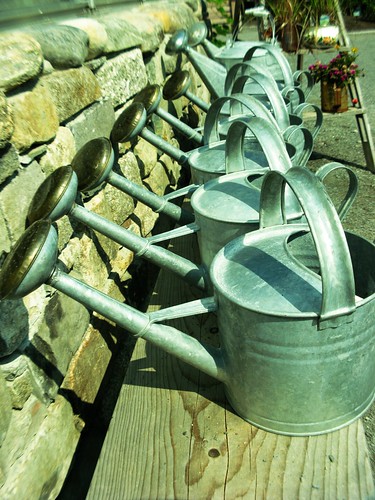
– Watering can

Take good care of these tools and you will be able to use them for years. For instance, each time you use any of the metal based tools, rinse off any soil and grime thoroughly, dry them and then place them into a bucket with a sand and motor oil mixture. This will prevent rusting and ensure your tools stay sharp and shiny – perfect for helping you redesign your garden.

Attached Images:
  •  License: Image author owned

Laura writes for Seagull Balustrades. When not blogging about banister rails, she’s usually trying to wipe childrens’ fingerprints off hers.


Filed Under: Garden Maintenance, Garden Tips, In The Garden, Landscaping, Summer in the Garden Tagged With: BBQs, climate, composts, dianthus, flower, fragrance, garden, gardenias, nicotianas, patio, planting, Redesigning, smell, soil, summer, sunlight, tools, visual

Wake Up And Smell The Flowers – Why Gardeners Are The Happiest Workers

by Trish

There is this hallowed idea among the general working population that some of us are happy. Do you know any of these people? I know a few but I also know a few more that aren’t  Maybe in your social circle job satisfaction is the norm but there are an awful lot of people for whom this is not the case. They may have had ideas and dreams as a child or teen but somehow life didn’t pan out that way. We’ve all heard the cliché that money doesn’t bring happiness. According to a City and Guilds study, gardeners are the happiest workers and the least happy are, wait for it… bankers! What is it that makes us happy and contented in our work and why is it so important? We spend such a large part of our week at work. Even when we’re not there, we’re often thinking about it or preparing to go back, so it makes sense that our feelings towards our work will affect our general well being. Apparently, to be truly happy and contented at work, we need to feel recognised, appreciated and supported. We need to feel as if we’re doing something worthwhile while being able to use our skills every day, as well as receiving training and having the opportunity to learn. Gardeners, it would seem, are getting all of this in spades. Ahem. Read on to see how they manage to tick all these boxes.

Exercise

It’s good for us! We all know that really. Many of us spend the day sitting at a desk and call at the gym after work, or go out for a run. Well, I have heard of such people anyway, but gardening is pretty much hard core exercise all day long. Bending, squatting, digging, weeding, hoeing and raking makes a pretty good workout for the whole body and most gardeners will be fit and toned, presumably adding to their general contentment as well as filling them with endorphins.

Breathe

An added bonus of all of this lovely, happy exercise is that it is executed outside in the fresh air. Plenty of sunshine, vitamin D, and lots of lovely oxygen in the lungs contribute to a healthy lifestyle. The downside is being required to work in bad weather but fresh air is mood boosting even if it is a rainy day.

Creation

People tend to feel real pride in creating things and gardeners are constantly surrounded by the fruits of their labour. Planting a seed and watching it grow into a plant is one of life’s simple pleasures and in gardening this will often be happening on a grand scale. Being surrounded by beauty that has been cultivated and created by ourselves is extremely pleasing, leading to that all elusive job satisfaction.

Nurture = Love

Creating a wonderful garden is an act of love. It requires the gardener to nurture and care for their plants and raise their babies into healthy adults. This is the same for relationships and well, if it can be done in the garden…

Dirt is good for you

As well as the digging part being good for you, there is actually something in the mud that improves mood and reduces anxiety. A particular bacterium has been shown to be present in the soil that can have all sorts of health benefits as well as increasing serotonin. With all of these pointers for happiness and well-being, I, for one, am going to log off now and get out in my garden.

Attached Images:
  •  License: Creative Commons image source

Sam Wright is happily growing and working as a journalist for HorticultureJobs.

Filed Under: Garden Buzz, In The Garden Tagged With: beauty, bending, Breathe, creating things, digging, endorphins, exercise, flowers, fresh air, gardeners, Happiest Workers, hard core exercise, hoeing, love, raking, smell, squatting, sunshine, weeding

4 Common Compost Problems And How To Fix Them

by Trish

Compost is essential for fertile soil. Compost benefits the soil in various ways including encouraging the soil to hold nutrients, attracting much needed soil insect activity and encouraging a more conducive environment for plant growth. There are some common problems that you may encounter when preparing compost. Below are some solutions on how you can address the problems.

Not All Items Are Decomposing

You may have a varied plant matter to create your compost. However, sometimes the materials in the compost do not decompose at the same rate. This is especially the case if you have included whole plant or animal matter in the compost. To address this, ensures that you chop all the matter in the compost to small pieces. This ensures that all matter is exposed equally to the environment and will therefore decompose at the same rate.

Stink

Compost is made up of decomposing matter and the stench is inevitable. Nevertheless, you may want to manage stink if you want to avoid lawsuits of nuisance from your neighbors or you have a sensitive nose. Compost stink can either be caused by wetness or nitrogen rich matter in your compost material. To address this, you should remake your compost by adding some dry leaves or grass. This will help to take care of the nitrogen content in your compost material. The stink is usually caused by bacteria that usually thrive in wet, damp, and dark conditions. Address this by turning your compost regularly to help manage the wet condition.

Dry and Dusty Compost

While compost that is wet may lead to bacteria breeding, you do not want to have compost that is too dry. Damp conditions are ideal to create a good compost material. If the material gets too dry, the compost will not break down sufficiently and this will compromise the quality of your compost. You will experience the problem of dry compost during summer or if you live in a hot environment. Correct this problem by adding some water to the compost. This should be done with care as you do not want to make the compost wet and soggy. Pour the water in bits and keep mixing the compost as you do this. As the compost gets wet, mix properly to ensure that it is damp but not soggy. Stop adding water when you are sure that the compost is damp enough.

My Compost is Attracting Animals and Insects

At time, your compost may even attract some wild animals that are foraging for food. This is normal considering the amount of possible feed available for these animals. You should be able to prevent this by putting protective mesh around your compost site. This should safely keep away any animals that want to eat your compost. It is also very natural that you will find lots of bugs within your compost material. While this sounds disgusting, bugs will help the compost material decompose. They are therefore good for your compost as they assist in the process.

Denis is a freelance writer that loves to share tips on gardening. You can have a look at his site on wall fireplace if you want to learn more on him.

Filed Under: Garden Maintenance Tagged With: animals, common problems, compost, decomposing, dry compost, dry leaves, fertile soil, fix, grasses, insects, nutrients, plant growth, small pieces, smell, stink

  • 1
  • 2
  • 3
  • …
  • 6
  • Next Page »

Subscribe


Never miss a post
Subscribe to our RSS feed!
It's FREE! rss feed

Free Newsletter

As the Garden Grows
by Email - FREE!


Follow me on Twitter!

Suggested Sites

Eavestrough Cleaning Toronto

Categories

Recent Posts

  • Top Three Tips For Choosing The Right Patio Furniture For Your Home
  • The 4 Things To Know About Perennial Garden Design
  • Painful Plants: Five Houseplants That Can Cause Injury
  • An Outbreak Shouldn’t Mean A Break Out: 3 Insect Repellants Gentle Enough For Your Skin
  • 5 Ideas To Make Your Garden POP
  • 6 Simple Ways To Make Your Home Eco-Friendly
  • How To Redesign Your Garden To Make It Safe For Your Children
  • Starting A Career As A Professional Gardener
  • 6 Time Saving Tips For Gardening
  • Top Tips On Redesigning Your Garden For The Summer

What they’re Saying

  • Rodhe Stevens on Landscaping Tips On A Limited Budget
  • Edmund Wells on Benefits of using mulch on the garden
  • Surjith on An Outbreak Shouldn’t Mean A Break Out: 3 Insect Repellants Gentle Enough For Your Skin
  • Pamela on The 4 Things To Know About Perennial Garden Design
  • dog on The quality of your pet food is important

Pages

  • About
  • Archives
  • Become a Guest Blogger For As the Garden Grows
  • Blog
  • Categories
  • Contact
  • Disclosure
  • Do Follow Bloggers Blogroll
  • Green Thumb Sunday
  • I am Canadian Blogroll
  • Join GTS Meme
  • Links
  • Privacy Policy
  • Q & A
  • Toronto Bloggers Blogroll
  • What’s Growing

Search

My Garden

Member of
Garden Voices

Tags

backyard Beautiful bloom blooming blooms Bulbs cold Entertainment and Rec flower flowers garden garden bed garden beds gardener gardening green Green Thumb Green Thumb Sunday grow growing GTS home Home and Lifestyle House In The Garden leaves my garden photo photos plant plants purchase rain rose roses Shopping snow spring summer Toronto water weather winter Wordless Wednesday WW

Site Ratings


Visitors since 2006


Meta

  • Log in
  • Entries feed
  • Comments feed
  • WordPress.org

Connect with me

  • Facebook
  • Google Plus
  • Pintrest
  • Twitter
  • RSS

Copyright © 2026 · News Child Theme on Genesis Framework · WordPress · Log in