As the Garden Grows

What's blooming today?

  • Home
  • Blog
  • Archives
  • Links
  • About
  • Join GTS Meme
  • Guest Blogger
  • Contact

You are here: Home / Archives for summer

Mistakes You Should Avoid While Practicing Landscaping In Your Backyard

by Trish

With the onset of spring or summer, most of the people pull out their gardening kit and start sprucing up their backyards. Landscaping the yard becomes essential not just to make the house look more beautiful but also because most of the family functions are held in that particular area of the house. A well built and maintained landscape can be a considerable source of satisfaction and enjoyment. Maintaining a landscape is easier said than done. Landscaping efforts will only be fruitful if they are done in a proper manner.

Prime and most perfect time for landscaping is the fall and winter season. During this time of the year, you can consider taking up all the landscape renovation or build up plans. To enhance your knowledge on what is good and what would look the best, you can consider watching some gardening programs on the television or go visit some home and garden show. But all these learning and know-how has little relevance when spring fever hits in. The inspiration to get on to those beautiful looking backyards, leads the person to take some hasty decisions, which messes with the whole landscaping efforts. Don’t fall prey to such mistakes even unknowingly. Below are some the most common landscape mistakes that gardeners usually make. Read it and avoid it!

Using excessive lawn ornamentation

In the context of landscaping, the concept of more the merrier just do not apply. Many people generally commit the mistake of installing too many decorative pieces in their backyards which instead of adding to the beauty, mars it. So, before buying any decorative item your lawn, first try and figure out how you will position it and if it is necessary. At times it is better to have just one small whimsical statue than having ten. Think, consider and re-consider before you decide to include some of the statues in your backyard.

Planting trees just too deep

Many people are of the impression that adding more soil in and around the tree is just like giving it more support. But is this true? No! More soil only chokes the tree and just does not produce the required results. Hence to avoid such issues, ensure that you test the main stem and the tentacles before planting it on the ground. Best and easiest way to solve this issue would be to dig out a hole up to the height of the bag of the tree.

Many people think that by cutting their grass short, they will need to mow it less. But this myth again is far from the reality. If the grass is cut just too short then you are doing nothing but inviting the insects. One of the best ideas would be to cut the trees into varied lengths on different seasons. During winters, you can consider cutting it too short so that the sunlight well penetrates into the soil. In summers, you can leave the blades standing up tall as this would act as a shelter to the soil.

Fertilizing properly is essential

Over fertilizing or no fertilizing at all, both are bad for your landscape. Consider visiting your garden centre and drawing some tips on what are the best fertilizers for your yard. This would not only ensure a healthy growth of your plants but will also give your yard that amazing look which you always craved for.

Today’s article is contributed by Chase Cullen. He is a writer who has written articles for many popular magazines and newspaper. He is also working on a novel. His hobbies include gardening and painting. He says for lush, green landscaping and lawn, people have to put in time and effort in its upkeep.


Filed Under: Garden Tips, In The Garden, Landscaping Tagged With: Avoid, backyard, Fertilizing, gardening, Landscaping, lawn ornamentation, Mistakes, Practicing, spring, summer, too deep, trees

Winterising your Patio

by Trish

When we think of the patio, we often think of the long days of summer, the BBQ and the idea of deckchairs, sunshine and heat comes to our mind. However, a patio can also be used during the colder months of winter too, meaning you don’t have to retreat inside when the cold comes. Here’s how to winterise your patio.

Patio Blinds

These are seldom seen but an excellent addition to those that want to be sheltered from the rain during the winter. The patio blind allows for the area to be used comfortably and are easily rolled up and down, and can even be automated if possible. These shelter you from the impending rain and also in addition to gas patio heaters can make a very comfortable outdoor area with many of the benefits of the indoors.

These patio blinds come in a range of fabrics and can be purchased in clear and tinted PVC, making them ideal for days there is a glare too. They are also available in tough material like fabrics, if you wish to give your patio a different feel. These can complement some of the other heating options wonderfully.

Turn Up the Heat

Of course, the most obvious problem with the patio in the winter months is the cold and so having outdoor heating is vital. Fortunately, there are a number of options here, ensuring you can enjoy your patio in the depths of the winter.

Gas patio heaters are increasingly common and increasingly affordable, as are the likes of outdoor fireplaces, fire pits and also chimneas. These are just some of the choices at hand to create a cosy feel, outdoors. One of the biggest benefits of the patio heater above all others is that they can be moved, look aesthetically attractive and can be positioned where they are required most.

A Little Splash of Colour

The winter is a drab time and that’s why adding a little bit of colour can make all the difference to the patio area. Depending on where you live, there are whole arrays of options that can be added to brighten up the area for winter. From colourful patio plant pots, to rugs made from numerous materials; the patio area can be greatly brightened up with a few pieces of colour here and there. This can really lift your mood and turn the patio into the perfect outdoor retreat for those cooler days.

Winter plants also can add to the area and the likes of heather, cabbages and others can be attractive during the winter – making for an appealing natural spectacle. Ask at your local garden centre to see what they thing fits in with the climate.

Winterising your patio area is a great idea and gives you a warm and cosy outdoor retreat when the rest of the neighbourhood is stuck between the four walls.

Cormac Reynolds writes for UK company Patio Heather Hire and loves his patio all year round.

Filed Under: Accessories, In The Garden Tagged With: BBQ, cabbages, chairs, color, cosy, cozy, dech, fabrics, garden, heat, heather, patio, patio blinds, patio heaters, plants, rain, shelter, summer, winterising, year round

How to Grow Rosemary

by Trish

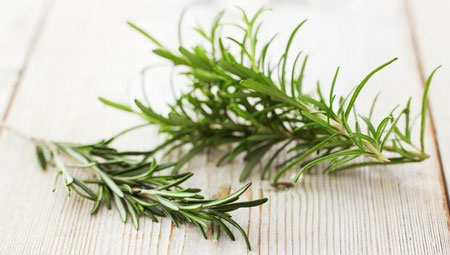
The rosemary plant is blue-green with needle-like foliage as well as a compelling fragrance which contribute to make this tender and perennial plant a favorite with gardeners. Rosemary seeds germinate erratically and slowly hence the common practice of propagating them through cuttings. Although a glass of water is sufficient for rooting the Rosemary plant, additional effort offers more favorable results.

The chosen site should be capable of getting full direct sunlight as well as a light afternoon shade and excellent drainage.

  • Raised beds are ideal for rosemary which prefers average to poor soil with a 6.5 to 7.0 pH.
  • Set the transplants aground at a similar depth to the one at the nursery pots.
  • A minimum of 2 feet should be spared around the plant to guarantee favorable air circulation.
  • Clip sprigs or leaves anytime they are required.

Growth of Rosemary in Cold Climates

  • Buy started plants from nurseries for planting during early spring.
  • Clay pots should be used and the required proportions are at least a depth of 12 inches and a width of 12 inches as well as many drainage holes.
  • The clay pots should then be filled it with coarse and light potting mix, for example cactus soil and an addition of perlite. Set the plants into new quarters while ensuring the depth is similar to the primary one at the nursery pots.
  • After the frost danger passes, harden off the plants and moved outdoors
  • Ensure regular watering is done while making sure the soil is vaguely moist but not wet. During early summer and spring, compost tea should be fed to the plants on a monthly basis.
  • The plants should be brought back indoors way before the foremost frost and put in a sunlit area west-or-south facing window. If there is scarcity of winter sunlight in the house, the supply should be augmented the supply using fluorescent lights.
  • Keep the soil moist by watering tepid water to the plants twice in one week.
  • Clip sprigs or leaves anytime they are needed.

Rosemary repels bean beetles and cabbage moths and is a plant that should be planted where it is intended to stay because it resents being transplanted. For the ideal selection of orchid plants, it is recommendable to purchase rosemary plants from herb specialists. When winter temperatures drop below thirty degrees Fahrenheit, it is generally advisable to plant the plant containers preferably terracotta all year to avoid transplanting.

Author bio:

This article is presented to you by www.growguides.net , a website offering free tips and advices on gardening to people all over the world.

Filed Under: Herbs, Plant Profiles Tagged With: clay pots, cuttings, direct sunlight, drainage, foliage, frangrance, garden, germinate, grow, indoors, moist soil, perennial, potting mix, propagate, raised beds, rosemary, shade, spring, summer, watering

  • « Previous Page
  • 1
  • 2
  • 3
  • 4
  • …
  • 21
  • Next Page »

Subscribe


Never miss a post
Subscribe to our RSS feed!
It's FREE! rss feed

Free Newsletter

As the Garden Grows
by Email - FREE!


Follow me on Twitter!

Suggested Sites

Eavestrough Cleaning Toronto

Categories

Recent Posts

  • Top Three Tips For Choosing The Right Patio Furniture For Your Home
  • The 4 Things To Know About Perennial Garden Design
  • Painful Plants: Five Houseplants That Can Cause Injury
  • An Outbreak Shouldn’t Mean A Break Out: 3 Insect Repellants Gentle Enough For Your Skin
  • 5 Ideas To Make Your Garden POP
  • 6 Simple Ways To Make Your Home Eco-Friendly
  • How To Redesign Your Garden To Make It Safe For Your Children
  • Starting A Career As A Professional Gardener
  • 6 Time Saving Tips For Gardening
  • Top Tips On Redesigning Your Garden For The Summer

What they’re Saying

  • Rodhe Stevens on Landscaping Tips On A Limited Budget
  • Edmund Wells on Benefits of using mulch on the garden
  • Surjith on An Outbreak Shouldn’t Mean A Break Out: 3 Insect Repellants Gentle Enough For Your Skin
  • Pamela on The 4 Things To Know About Perennial Garden Design
  • dog on The quality of your pet food is important

Pages

  • About
  • Archives
  • Become a Guest Blogger For As the Garden Grows
  • Blog
  • Categories
  • Contact
  • Disclosure
  • Do Follow Bloggers Blogroll
  • Green Thumb Sunday
  • I am Canadian Blogroll
  • Join GTS Meme
  • Links
  • Privacy Policy
  • Q & A
  • Toronto Bloggers Blogroll
  • What’s Growing

Search

My Garden

Member of
Garden Voices

Tags

backyard Beautiful bloom blooming blooms Bulbs cold Entertainment and Rec flower flowers garden garden bed garden beds gardener gardening green Green Thumb Green Thumb Sunday grow growing GTS home Home and Lifestyle House In The Garden leaves my garden photo photos plant plants purchase rain rose roses Shopping snow spring summer Toronto water weather winter Wordless Wednesday WW

Site Ratings


Visitors since 2006


Meta

  • Log in
  • Entries feed
  • Comments feed
  • WordPress.org

Connect with me

  • Facebook
  • Google Plus
  • Pintrest
  • Twitter
  • RSS

Copyright © 2026 · News Child Theme on Genesis Framework · WordPress · Log in