As the Garden Grows

What's blooming today?

  • Home
  • Blog
  • Archives
  • Links
  • About
  • Join GTS Meme
  • Guest Blogger
  • Contact

You are here: Home / Archives for sweet william

Time to enjoy the garden

by Tricia

July has arrived and I think that I’m just about ready to sit back and enjoy my garden for the next few months.

back of garden - facing south

What I mean by this is that from early April until last week or so, every time I visited my garden I had work to do! From spring clean up, pruning the roses and other plants to weeding to planting annuals to finally completing the big task of adding approximately 30 bags of red cedar mulch on my back and front garden beds.

We put mulch on our garden every year, but the last two years we only topped up the beds with a light layer. This year we noticed that the previous applications of mulch had really broken down, so we made sure to add a 3 inch layer this year – hence all the big heavy bags of mulch!

Other than doing a little pruning here and there as the roses grow and become floppy, and or staking the roses and other plants as they grow, most of the work is done. From here on in the main gardening job will be keeping it watered.

Actually there’s at least one more job. My husband and I made up a large garbage pail of Alfalfa tea about a month ago and it should be just about ready to be applied to the garden. Alfalfa seems to contain a growth hormone that causes the plants to row quite well once either alfalfa pellets are added to the soil and break down, or in our case once our evil stinking brew of Alfalfa tea has been applied. It’s a great natural fertilizer.  Obviously it’s also organic.  We are organic gardeners and never use chemicals on our plants or lawn.

We just have to make sure that we apply it to the garden when most of our close neighbors are indoors! It’s stinky! We usually apply alfalfa tea twice a year – once in early June and then again near the end of July, but we’re behind this year, so the garden might only get one dose this year.
IMG_5868

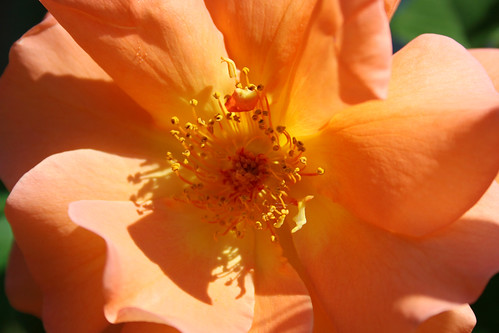
Speaking of enjoying the garden … The first huge flush of roses is just about over. The roses started blooming in early June and now that first flush seems to be dying down. Most of my roses are re-bloomers or continuous bloom … but nothing beats that first Spring flush of roses as it’s usually the largest!

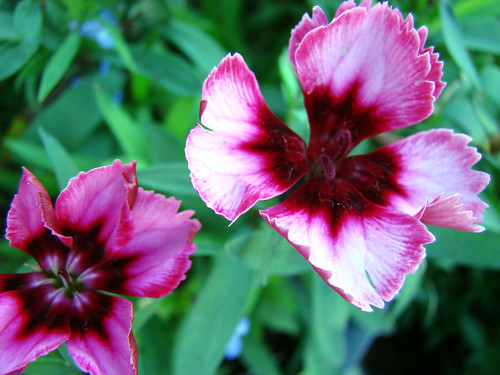
IMG_5848 Other plants in bloom include Lavender, Salvia, Heuchera, some of my hostas, some of my clematis, Gazania, Marigolds, Petunias, Dianthus (Sweet William), Impatiens, Alyssum, Portulaca, Hollyhocks, Lilies, Daylilies, Maltese Cross and the list goes on. More plants will begin to bloom soon as well!

We also have a number of veggies growing ranging from Tomatoes, Tiny tom and Cherry tomatoes, cucumbers, beans, peas, a variety of lettuces, spinach and carrots. Plus we also grow strawberries and raspberries. Yummy.

Now if only it would get a little warmer here in Toronto. It’s been kind of cool the last two weeks with below average temperatures. It looks like it’s supposed to warm up a little bit this weekend, but overall it will still be below normal temps for a while. I do hope summer starts to feel like summer soon.

The only good thing about the slightly cooler temps is that I haven’t had to water the garden daily or even every second day and we haven’t really had the air-conditioning on. So we’re saving money on water and electricity. But enough already … It is after all supposed to be summer!

IMG_5896

How is your garden doing this summer? Are you finished most of the hard work and like me find it’s time to sit back and enjoy the garden? And is your weather a little cooler than normal too?



Filed Under: Annuals, Blooming today, Garden Buzz, Garden Maintenance, Perennials, Recreation, rose, Summer in the Garden Tagged With: Alfalfa tea, alyssum, Annuals, beans, carrots, Clematis, cucumbers, day lilies, dianthus, fertilizer, first flush of blooms, ganzia, garden, gardening, Gazania, heuchera hosta, Hollyhocks, lavender, lettuce, lilies, Maltese cross, marigold, mulch, multiple roses, organic fertilizer, organic garden, peas, Perennials, petunias, planting, portulaca, pruning, Raspberries, roses, salvia, spinach, staking, strawberries, summer gardening, sweet william, tomatoes, watering

Glorious Annuals

by Tricia

Annuals are usually grown to provide color. Since they are only temporary plants in many gardens – if they are always treated as such, they tend to thrive anywhere. Annuals permit gardeners in cold areas to briefly ignore the prospect of inter bleakness and inject a touch of tropical summer color into their gardens.

Annuals are subject to all the normal climatic considerations – wind, salt spray, and summer heat – but they are remarkably resilient plants that carry on flowering under most conditions, except severe cold.

Tender annuals must be planted in spring, after the last frosts, with a view to summer and autumn flowering. However, the so called hardy annuals are often planted in the autumn and left to over-winter for spring flowering. Pansies, Sweet William and Iceland poppies are among the best known hardy annuals. It’s true that the majority of my Pansies (provided they survive the heat of summer), Sweet William (pinks, dianthus) and Iceland poppies often do survive our Canadian zone 6B/ USD zone 5B winters.

With careful planning- depending upon your zone of course, it’s possible to have blooms almost all year round. I tend to have blooms outdoors in my garden from perennials, annuals, bulbs and rhizomes from Mid-March well into November; and indoors my plants such as Thanks Giving and Christmas Cactus, Jasmine and amaryllis give me blooms inside through November to March.

Filed Under: Annuals, Garden Buzz, Garden Tips, Plant Profiles, Spring Tasks Tagged With: Annuals, Bulbs, dianthus, Garden Tips, grow, iceland pollies, pansies, plant, planted, rhyzomes, seedling, seeds, sow, summer color, sweet william, tender annuals, tropical color

Growing Dianthus

by Tricia

Join Green Thumb Sunday
Join

Dianthus – Sweet William, Pinks, and Carnations
dianthus

Dianthus means divine flower

There are over 300 species of Dianthus, and hundreds more of hybrid varieties. The group includes annuals, biennials and perennials. Most Dianthus produce richly fragrant flowers in the spring or summer, sometimes extending right up until the first frost. Although Dianthus species vary from 2 inches to 3 feet tall in height, most garden varieties are 10 to 20 inches tall.

Dianthus should be planted where they will receive at least 4-5 hours of full sun each day. They thrive in fertile, fast draining, slightly alkaline (pH 6.75) soil. Avoid over-watering because it may tend to turn the foliage yellow. Usually a weekly watering of established plants will suffice unless the weather is extremely dry. Dianthus will often reseed themselves, so don’t be too hasty in removing spent plants from the ground. Perennial varieties may be propagated by tip cuttings, layering or division. Spent flowers should be removed promptly to promote continued blooming.

Plant Dianthus species 12 to 18 inches apart and at the same depth at which they were previously growing. The crown, or top of the root structure, must be level with the surface of the soil. (Never bury any part of the stems.) Unlike most other plants, Dianthus plants should not be mulched. They require good air circulation around the stems at all times and must be kept as free from foliage moisture as possible. For continued blooming feed lightly every 6 to 8 weeks with an all-purpose (10-10-10) liquid fertilizer.

Dianthus propagation

New plants can be started from seeds sown in spring or early summer directly into the garden. Sow the seeds 1/8 inch deep in light well-drained soil in a sunny location in the garden. Firm soil over seed and keep it moist until the plants are sprouted and growing. These plants will probably not flower until the following year. You can also start Dianthus seeds indoors 6 to 8 weeks before the last frost is expected for spring planting and same year blooms.

Softwood stem cuttings taken in the spring or in early summer will be ready to be planted in the garden, in the fall. These plants will not flower until the following year.

Dianthus are also easily increased by division. This method has the additional benefit of rejuvenating older, non productive clumps. Dig up an entire clump, and either pull it apart using your hands to separate the plant segments, or use two gardening forks inserted in the center of the clump, to gently pry the plant apart. Replant each new division as you would a new perennial or annual, and water it in very well.

Gardeners, Plant and Nature lovers can join in every Sunday, visit As the Garden Grows’ Green Thumb Sunday page for more information.

Filed Under: Green Thumb Sunday, Plant Profiles Tagged With: Carnations, Green Thumb Sunday, Growing Dianthus, pinks, propagation, sweet william


Subscribe


Never miss a post
Subscribe to our RSS feed!
It's FREE! rss feed

Free Newsletter

As the Garden Grows
by Email - FREE!


Follow me on Twitter!

Suggested Sites

Eavestrough Cleaning Toronto

Categories

Recent Posts

  • Top Three Tips For Choosing The Right Patio Furniture For Your Home
  • The 4 Things To Know About Perennial Garden Design
  • Painful Plants: Five Houseplants That Can Cause Injury
  • An Outbreak Shouldn’t Mean A Break Out: 3 Insect Repellants Gentle Enough For Your Skin
  • 5 Ideas To Make Your Garden POP
  • 6 Simple Ways To Make Your Home Eco-Friendly
  • How To Redesign Your Garden To Make It Safe For Your Children
  • Starting A Career As A Professional Gardener
  • 6 Time Saving Tips For Gardening
  • Top Tips On Redesigning Your Garden For The Summer

What they’re Saying

  • Rodhe Stevens on Landscaping Tips On A Limited Budget
  • Edmund Wells on Benefits of using mulch on the garden
  • Surjith on An Outbreak Shouldn’t Mean A Break Out: 3 Insect Repellants Gentle Enough For Your Skin
  • Pamela on The 4 Things To Know About Perennial Garden Design
  • dog on The quality of your pet food is important

Pages

  • About
  • Archives
  • Become a Guest Blogger For As the Garden Grows
  • Blog
  • Categories
  • Contact
  • Disclosure
  • Do Follow Bloggers Blogroll
  • Green Thumb Sunday
  • I am Canadian Blogroll
  • Join GTS Meme
  • Links
  • Privacy Policy
  • Q & A
  • Toronto Bloggers Blogroll
  • What’s Growing

Search

My Garden

Member of
Garden Voices

Tags

backyard Beautiful bloom blooming blooms Bulbs cold Entertainment and Rec flower flowers garden garden bed garden beds gardener gardening green Green Thumb Green Thumb Sunday grow growing GTS home Home and Lifestyle House In The Garden leaves my garden photo photos plant plants purchase rain rose roses Shopping snow spring summer Toronto water weather winter Wordless Wednesday WW

Site Ratings


Visitors since 2006


Meta

  • Log in
  • Entries feed
  • Comments feed
  • WordPress.org

Connect with me

  • Facebook
  • Google Plus
  • Pintrest
  • Twitter
  • RSS

Copyright © 2026 · News Child Theme on Genesis Framework · WordPress · Log in