As the Garden Grows

What's blooming today?

  • Home
  • Blog
  • Archives
  • Links
  • About
  • Join GTS Meme
  • Guest Blogger
  • Contact

You are here: Home / Archives for toxic

5 Common But Dangerous Plants That You Could Have In Your Yard

by Trish

When it comes to your health and the health of your family and your pets, you tend to think of the obvious dangers that you need to stay away from. What most people don’t realize is that there could be harmful items located right in your backyard.

There are many plants that are dangerous to humans and/or animals, and it’s possible that you have some of the following dangerous plants lurking in your backyard.

1. Rhubarb

Yes, it’s true that rhubarb is used as a food in many tasty desserts, but only the stem of the plant is safe. The leaves of rhubarb are actually very poisonous, and if you consume them, whether cooked or uncooked, you could experience burning of the throat or mouth. After the burning is over, you could experience internal bleeding, convulsions, coma or even death. If you want to grow rhubarb, it’s best done in an area that is safe from pets or other animals.

2. Oleander

Oleander is a very beautiful flower that looks and smells great, and it’s one of the most popular choices when it comes to gardens and flower beds. However, Oleander is one of the most poisonous plants, especially when it comes to children. What makes Oleander so dangerous is that it’s not just poisonous to consume, but it’s also poisonous to the touch. Symptoms of poison from an Oleander plant include vomiting and diarrhea, cramping, seizures, coma and death.

3. Hydrangea

Hydrangeas are another popular plant when it comes to yard décor. They can grow to be very tall, and they are available in an assortment of colors. If you were to consume a hydrangea, you would experience massive stomach pain, sweating, itchy skin and even vomiting. In most cases, vomiting is the worst of the symptoms, but some cases of coma have been reported from hydrangea consumption.

4. Chrysanthemum

Many people plant chrysanthemums (or mums) in their yards or near their gardens because they’re known to keep rabbits away. But chrysanthemums are also poisonous to humans. Touching the head of a chrysanthemum could make you experience red and itchy skin along with some minor swelling. Although that’s the worst that will happen, it can still be a nuisance.

5. Rhododendron

Rhododendrons are popular flowers to decorate a lawn due to their bell-like shape, but rhododendron leaves and the honey nectar they produce are very toxic. If you were to eat either the leaves or the honey, you could experience a burning mouth, vomiting, diarrhea or a tingling feeling in your body. Some people have also experienced convulsions and fallen into a coma, and others have experienced a slower heartbeat and difficulty breathing.

Even though most adults know not to consume a flower, young children and animals are often curious and put things into their mouth. It’s very important that you know which plants in your yard are poisonous and keep them out of the reach of children and animals in order to keep them safe.


Filed Under: Garden Tips, In The Garden, Pets and Wildlife Tagged With: chrysanthemum, common, dangerous, garden, Health, Hydrangeas, oleander, pets, plants, poisonous, rhododendrons, rhubarb, toxic, yard

I think my garden is two weeks ahead this year

by Tricia

I can’t believe how well my garden is doing so far this Spring. We had a much warmer than usual March (that means above zero temps instead of -20 C!) and that seems to have put my garden ahead by at least two weeks.

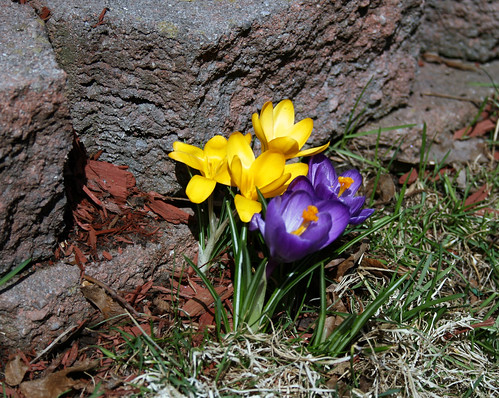
The Crocuses are just about finished blooming in the backyard – although the ones in the shadier front lawn haven’t come up yet). The ones remaining in the back are wilted or just green leaves now. Here’s what they looked like about two weeks ago at their best:

IMG_5316

The raised garden beds have little green patches throughout – the tulips leaves are almost fully grown, as are the hyacinth leaves. Some of the hyacinths have started to develop buds and I expect that they’ll be blooming in a few days. The Glories of the Snow are up as well and most are in bloom. Actually a lot of my spring bulbs are producing leaves or showing signs of life, the roses are starting to leaf out as well. It’s certainly nice to see all the green leaves as well as spots with pink and blue flowers.

My Danfordia irises were up and blooming last weekend, but then we let the dog out in the yard and she trampled them. 🙁 She also ate a few of the Crocus flowers and leaves and gave us a bit of a scare late that night when she wouldn’t settle down. She kept trying to lie down in various areas of our living room but then she’d jump up again and change spots a minute later. This went on for over two hours. So for now we’re not letting her out in the yard – when she gets excited (seeing the new puppy next door) she tends to bit plants randomly … that’s not good when there are some toxic plants out there!

So far my garden beds are looking good. They still have cedar mulch on them from last year.  I did however spend some time tidying them up and pulling out oh maybe 100 tiny maple trees that had started growing in the still bare spots in the raised beds. With all the rain we’ve had in the past few days I’m sure I’ll have more to pull out this weekend.

How is your garden doing this Spring? Is it a week or two ahead because of warmer temps earlier in the year or is it behind?

Filed Under: Blooming today, Garden Buzz, In The Garden, Photography, Spring Tasks Tagged With: crocus, dog, flowers, garden, gardening, glories of the snow, green, greening up, irises, leaves, raised beds, spring, toxic, tulips, two weeks ahead, warm

Worried about pesticides in your food?

by Tricia

Are you worried about the pesticides that might be contaminating the fruits and vegetables that you eat? If you are, you’re in luck.

The Environmental Working Group has come out with a list of 45 fruits and vegetables ranked according to the level of pesticide contamination. The results were based on U.S. Food and Drug administration testing.

The most contaminated fruit and vegetables include strawberries, apples and celery. The top of the list of most contaminated food items is Peaches with a pesticide load of 100.

The cleanest fruit and vegetables include mangoes, pineapples, onions, and avocados. The least contaminated of the list has a pesticide load of 1.

I never realized that peaches had such a high contamination load. I always thought apples were the worst of the bunch.

What the report lacks is actual amounts of pesticides. The items rated on the list are organized on a scale that shows which produce has more pesticides, but without knowing the exact amount of contamination it’s hard to say if the pesticide contamination in peaches is harmful or if the low amount found in pineapple really is a safe level.

If you are worried about pesticide contaminants the best thing to do is limit your exposure.

Not everyone can grow all of their own food supply, nor necessarily do it organically, but you can limit your exposure to pesticide contaminated fruit and vegetables by trying to make some of your purchase organic produce. Know what’s on the list and try to make sure that when you want to buy some of the items that are listed as being most pesticide contaminated, like peaches and apples, that you make those purchases organic.

If you do happen to have a garden try to grow organically. My garden is organic and I find it quite easy to maintain and as you can see from all the photos on this site my plants are very healthy.

Filed Under: Fruit, Health and Fitness, Home and Lifestyle, Living Green, Organic, vegetables Tagged With: amount, apples, celery, cleanest, contamination, Environmental, exposure, FDA, food, Fruit, garden, limit, list, mango, Peaches, pesticide, pesticides, pineapple, produce, purchase, rating, report, scale, supply, testing, toxic, U.S., vegetables

  • 1
  • 2
  • Next Page »

Subscribe


Never miss a post
Subscribe to our RSS feed!
It's FREE! rss feed

Free Newsletter

As the Garden Grows
by Email - FREE!


Follow me on Twitter!

Suggested Sites

Eavestrough Cleaning Toronto

Categories

Recent Posts

  • Top Three Tips For Choosing The Right Patio Furniture For Your Home
  • The 4 Things To Know About Perennial Garden Design
  • Painful Plants: Five Houseplants That Can Cause Injury
  • An Outbreak Shouldn’t Mean A Break Out: 3 Insect Repellants Gentle Enough For Your Skin
  • 5 Ideas To Make Your Garden POP
  • 6 Simple Ways To Make Your Home Eco-Friendly
  • How To Redesign Your Garden To Make It Safe For Your Children
  • Starting A Career As A Professional Gardener
  • 6 Time Saving Tips For Gardening
  • Top Tips On Redesigning Your Garden For The Summer

What they’re Saying

  • Rodhe Stevens on Landscaping Tips On A Limited Budget
  • Edmund Wells on Benefits of using mulch on the garden
  • Surjith on An Outbreak Shouldn’t Mean A Break Out: 3 Insect Repellants Gentle Enough For Your Skin
  • Pamela on The 4 Things To Know About Perennial Garden Design
  • dog on The quality of your pet food is important

Pages

  • About
  • Archives
  • Become a Guest Blogger For As the Garden Grows
  • Blog
  • Categories
  • Contact
  • Disclosure
  • Do Follow Bloggers Blogroll
  • Green Thumb Sunday
  • I am Canadian Blogroll
  • Join GTS Meme
  • Links
  • Privacy Policy
  • Q & A
  • Toronto Bloggers Blogroll
  • What’s Growing

Search

My Garden

Member of
Garden Voices

Tags

backyard Beautiful bloom blooming blooms Bulbs cold Entertainment and Rec flower flowers garden garden bed garden beds gardener gardening green Green Thumb Green Thumb Sunday grow growing GTS home Home and Lifestyle House In The Garden leaves my garden photo photos plant plants purchase rain rose roses Shopping snow spring summer Toronto water weather winter Wordless Wednesday WW

Site Ratings


Visitors since 2006


Meta

  • Log in
  • Entries feed
  • Comments feed
  • WordPress.org

Connect with me

  • Facebook
  • Google Plus
  • Pintrest
  • Twitter
  • RSS

Copyright © 2026 · News Child Theme on Genesis Framework · WordPress · Log in