As the Garden Grows

What's blooming today?

  • Home
  • Blog
  • Archives
  • Links
  • About
  • Join GTS Meme
  • Guest Blogger
  • Contact

You are here: Home / Archives for vomiting

Did you know the Sago Palm is toxic to pets?

by Tricia

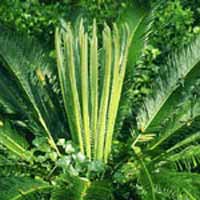
676138.jpg I just received a new edition of my ASPCA newsletter and one article in particular caught my eye. It was about the increased incidence of pets being poisoned by the Sago Palm. This plant can also be quite toxic to young children.

The Sago Palm is common in warm climates, but it’s become more popular in Northern homes as a houseplant. The plant is native to Southern Japan. It’s an attractive plant with dark green leaves and a hairy trunk.

Since 2003, the ASPCA Animal Poison Control Center has seen an increase in cases of Sago palm and Cycad poisonings by more than 200 percent. APCC data also reveals that 50 percent to 75 percent of those cases resulted in fatalities.
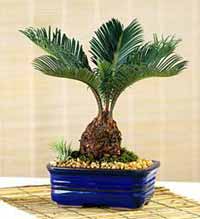
sago-palm.jpg A chemical in the plant called cycasin is toxic and often causes permanent liver damage as well as neurological damage if enough of the poison is absorbed by the body. The seeds are the most poisonous part of the plant, although all parts of this plant are toxic, and the effects on humans are seizures, coma and death. Of course the seeds are an attractive reddish color so children and possible curious pets might be drawn to the plant.

Clinical signs of toxic poisoning are vomiting, melena (blood in stool), Jaundice, increased thirst, hemorrhagic gastroenteritis, bruising and later liver damage, liver failure and death.

If you have young children or pets in your home and you’d like to check to see if your house or garden plants are toxic you can take a look at this list of Toxic Plants. There’s also a list of non-toxic plants that you might also want to look at if you are planning on adding more plants to your collection.


Filed Under: Family, Garden Tips, Health and Fitness, Home and Lifestyle, House Plants, Pets and Wildlife, Trees and Shrubs Tagged With: animal, ASPCA, attractive seeds, bruising, cats, chemical, children, Cycad, cycasin, dangerous, dark green leaves, death, dogs, garden plants, gastroenteritis, hairy trunk, home, House, houseplant, incidence, jaundice, list of toxic plants, lists, liver damage, liver failure, melena, non toxic plants, pets, plants, Poison, poison control center, poisoning, poisonous, Sago, Sago Palm, signs of toxicity, Southern Japan, thirst, toxic plant, vomiting

Pet Alert – Cocoa bean mulch can be toxic to dogs

by Tricia

I use mulch in my garden beds, as I’m sure many of my fellow garden readers do as well.

I use shredded cedar and sometimes small cedar chips. It sure works well on the garden and looks nice too, but I suppose from a pet point of view that mulch isn’t the best bet. Plus the mulch I use is colored red and I have no idea if the dye is toxic or not, but I do know that coniferous woods like cedar are toxic to most animals.

My puppy is slowly learning to stay away from the garden, but when she was younger she was attracted to the cedar mulch and I found myself constantly pulling pieces of it out of her mouth (as soon as she grabbed it of course). She’s a Labrador Retriever – a breed that’s notorious for eating just about anything they can get in their mouth. They also have one of the highest rates of bowel obstructions (and surgeries due to said bowel obstructions) because of all the indigestible stuff they eat. That’s why I’ve been worried about my dog and my garden ever since I got her. Not to mention the toxic plants that I grow as well!

Cocoa bean mulch has become quite popular in recent years. It looks nice in garden beds, breaks down like other natural mulches and I believe it smells nice too.

If you happen to use Cocoa Bean Mulch in your garden and own a dog you might want to read the report that i just received in my ASPCA newsletter. Here’s an excerpt:

If your dog likes to spend his summer grazing in your garden, his treat-seeking nose may lead him to one danger in particular: the sweet-smelling, but potentially harmful cocoa bean mulch. Made of cocoa bean shells and considered desirable for its eventual degradation into organic fertilizer, this gardener’s choice can be toxic to canines if eaten in large quantities—and some dogs have been known to eat amazing amounts!

In 2007, the ASPCA Animal Poison Control Center (APCC) handled 26 cases of cocoa bean mulch ingestion—a third originating in California. “Dogs are attracted to the fertilizer’s sweet smell,” says Dr. Steven Hansen, ASPCA Veterinary Toxicologist and APCC Director, “but like chocolate, cocoa bean mulch can be too much for our canine companions.”

Ingestion of large amounts of cocoa bean mulch, which contains residual amounts of theobromine—a methylxanthine found in chocolate and known to be toxic to dogs—may cause a variety of clinical signs. These typically start with vomiting, diarrhea and elevated heart rate, and if large amounts are consumed, they may progress to hyperactivity, muscle tremors and possibly other more serious neurological signs.

Treatment includes administering medical-grade activated charcoal, bringing tremors under control, cardiac monitoring and preventing further exposure.

“One key point to remember is that some dogs, particularly those with indiscriminate eating habits, can be attracted to any organic matter,” says Dana Farbman, APCC Senior Manager, Professional Communications. “Therefore, if you have a dog with such eating habits, it’s important that you don’t leave him unsupervised or allow him into areas where such materials are being used.”

By now most of you have probably already added mulch to your garden, that is, if you regularly do add mulch. If you used cocoa bean mulch be sure to keep your dog away from your garden beds!

Filed Under: Garden Tips, Home and Lifestyle, In The Garden, Organic, Pets and Wildlife Tagged With: ASPCA, aspca animal poison control, bowel obstructions, canine, cedar, cedar chips, cedar mulch, chocolate, Cocoa, cocoa bean, cocoa bean mulch, cocoa mulch, coniferous woods, danger, degradation, diarrhea, dog, dogs, dye, eaten in large quantities, garden beds, gardener, grazing, harmful, ingestion, Labrador, labrador Retriever, methylxanthine, mouth, natural mulches, nose, Organic, organic mulch, pet, pets in garden, Poison, poison control center, puppy, summer, sweet smell, theobromine, toxic, toxic plants, Toxicologist, variety, vomiting


Subscribe


Never miss a post
Subscribe to our RSS feed!
It's FREE! rss feed

Free Newsletter

As the Garden Grows
by Email - FREE!


Follow me on Twitter!

Suggested Sites

Eavestrough Cleaning Toronto

Categories

Recent Posts

  • Top Three Tips For Choosing The Right Patio Furniture For Your Home
  • The 4 Things To Know About Perennial Garden Design
  • Painful Plants: Five Houseplants That Can Cause Injury
  • An Outbreak Shouldn’t Mean A Break Out: 3 Insect Repellants Gentle Enough For Your Skin
  • 5 Ideas To Make Your Garden POP
  • 6 Simple Ways To Make Your Home Eco-Friendly
  • How To Redesign Your Garden To Make It Safe For Your Children
  • Starting A Career As A Professional Gardener
  • 6 Time Saving Tips For Gardening
  • Top Tips On Redesigning Your Garden For The Summer

What they’re Saying

  • Rodhe Stevens on Landscaping Tips On A Limited Budget
  • Edmund Wells on Benefits of using mulch on the garden
  • Surjith on An Outbreak Shouldn’t Mean A Break Out: 3 Insect Repellants Gentle Enough For Your Skin
  • Pamela on The 4 Things To Know About Perennial Garden Design
  • dog on The quality of your pet food is important

Pages

  • About
  • Archives
  • Become a Guest Blogger For As the Garden Grows
  • Blog
  • Categories
  • Contact
  • Disclosure
  • Do Follow Bloggers Blogroll
  • Green Thumb Sunday
  • I am Canadian Blogroll
  • Join GTS Meme
  • Links
  • Privacy Policy
  • Q & A
  • Toronto Bloggers Blogroll
  • What’s Growing

Search

My Garden

Member of
Garden Voices

Tags

backyard Beautiful bloom blooming blooms Bulbs cold Entertainment and Rec flower flowers garden garden bed garden beds gardener gardening green Green Thumb Green Thumb Sunday grow growing GTS home Home and Lifestyle House In The Garden leaves my garden photo photos plant plants purchase rain rose roses Shopping snow spring summer Toronto water weather winter Wordless Wednesday WW

Site Ratings


Visitors since 2006


Meta

  • Log in
  • Entries feed
  • Comments feed
  • WordPress.org

Connect with me

  • Facebook
  • Google Plus
  • Pintrest
  • Twitter
  • RSS

Copyright © 2026 · News Child Theme on Genesis Framework · WordPress · Log in